
A lot of what we hear from Charleston drivers is about stop and go problems. Brakes that grind after sitting in traffic, a car that overheats when it is not moving much, or an alternator that cannot keep the battery charged through short trips and long idles. City driving is hard on a charging system because you are starting the engine over and over without long stretches to let the alternator recharge the battery fully. We test the whole system, battery, alternator, and the connections between them, before replacing parts. A weak battery and a failing alternator can throw the same symptoms from the driver's seat, dim lights, slow cranking, a car that dies at a red light, so we check voltage under load instead of guessing which part is at fault.
Brake grinding usually means the pads have worn down to metal and are now cutting into the rotor itself. That turns a simple pad swap into a bigger repair if it goes on too long. We look at pad thickness, rotor wear, and how the brakes feel underfoot before deciding what the car actually needs. Overheating in slow traffic often points to a cooling fan that is not kicking on, a low coolant level, or a thermostat stuck the wrong way. None of these show up clearly until the engine is sitting still with the AC running and the radiator not getting enough airflow, which is exactly the kind of driving a lot of Charleston commutes involve.
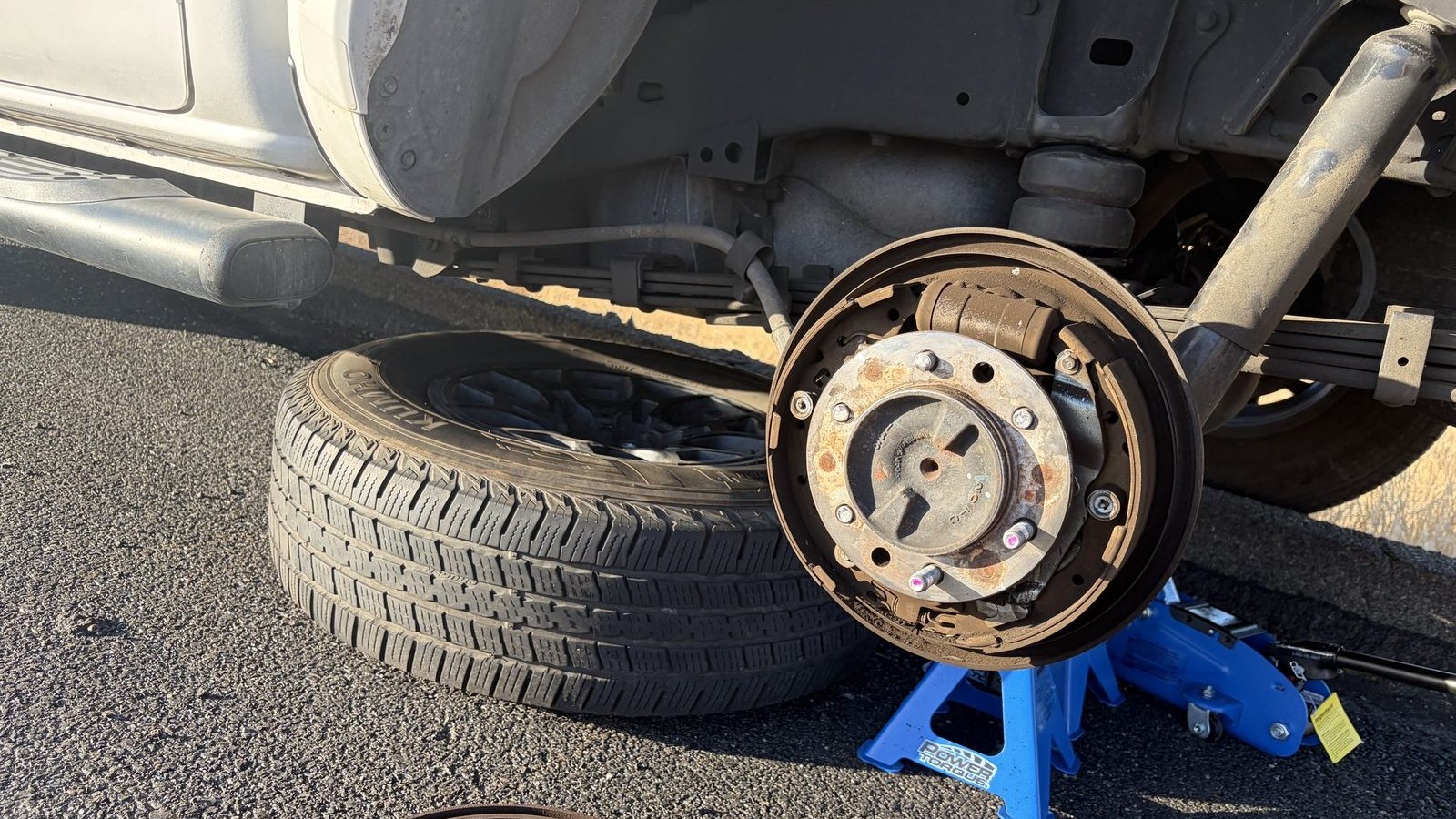

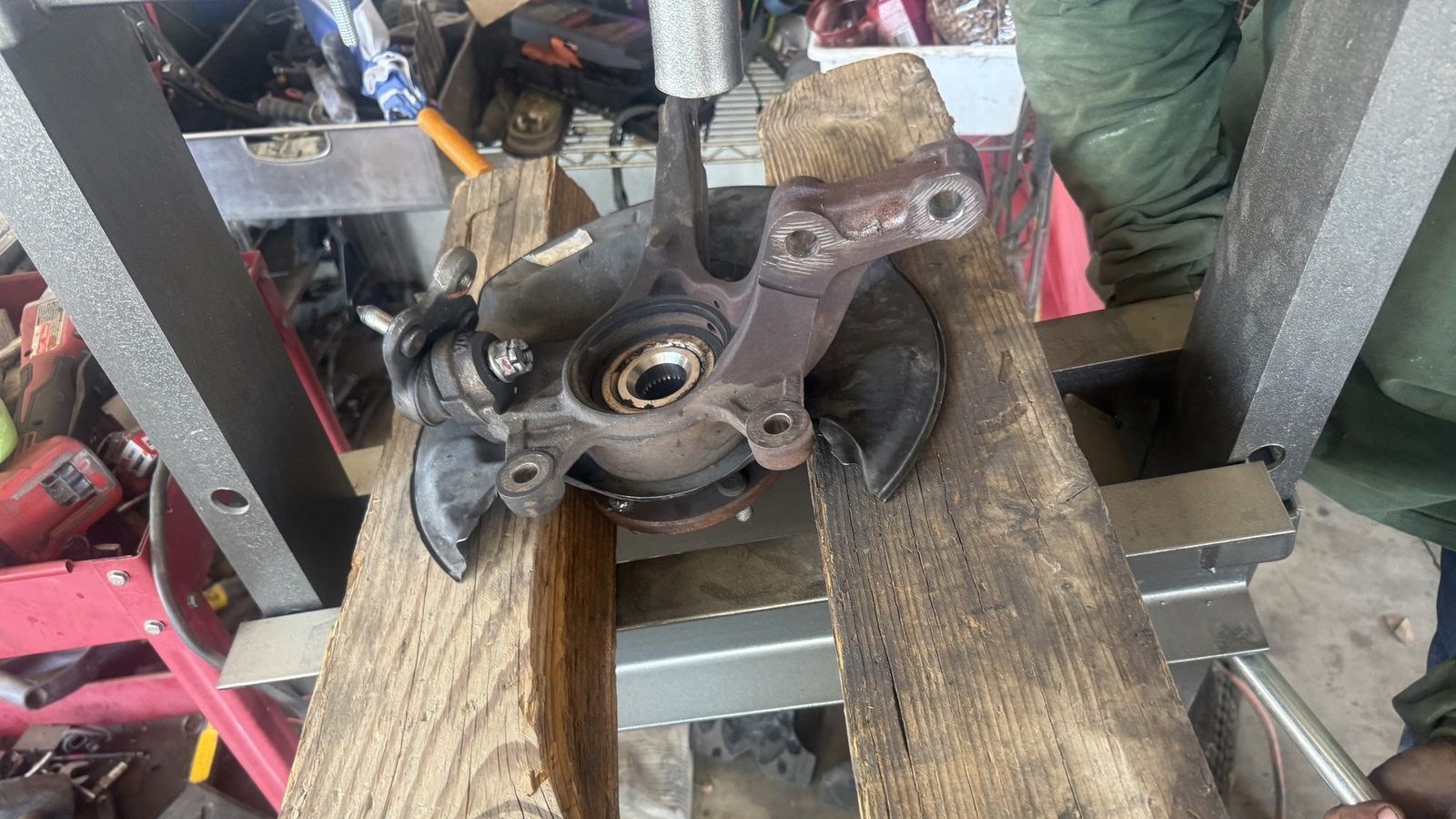
We also handle the routine work that keeps a car reliable day to day. Oil changes protect the engine from the wear that builds up between visits, and sticking to a regular interval matters more in stop and go traffic where the engine runs through more heat cycles per mile. Brake pads and rotors get replaced before they reach the grinding stage if you catch them early enough. Suspension and steering work covers the clunks, pulls, and loose feeling that make a car harder to control, whether that is worn ball joints, bad tie rods, or an alignment knocked off by a pothole. All of these get worse gradually, so a car that feels fine most days can still be close to a bigger failure.
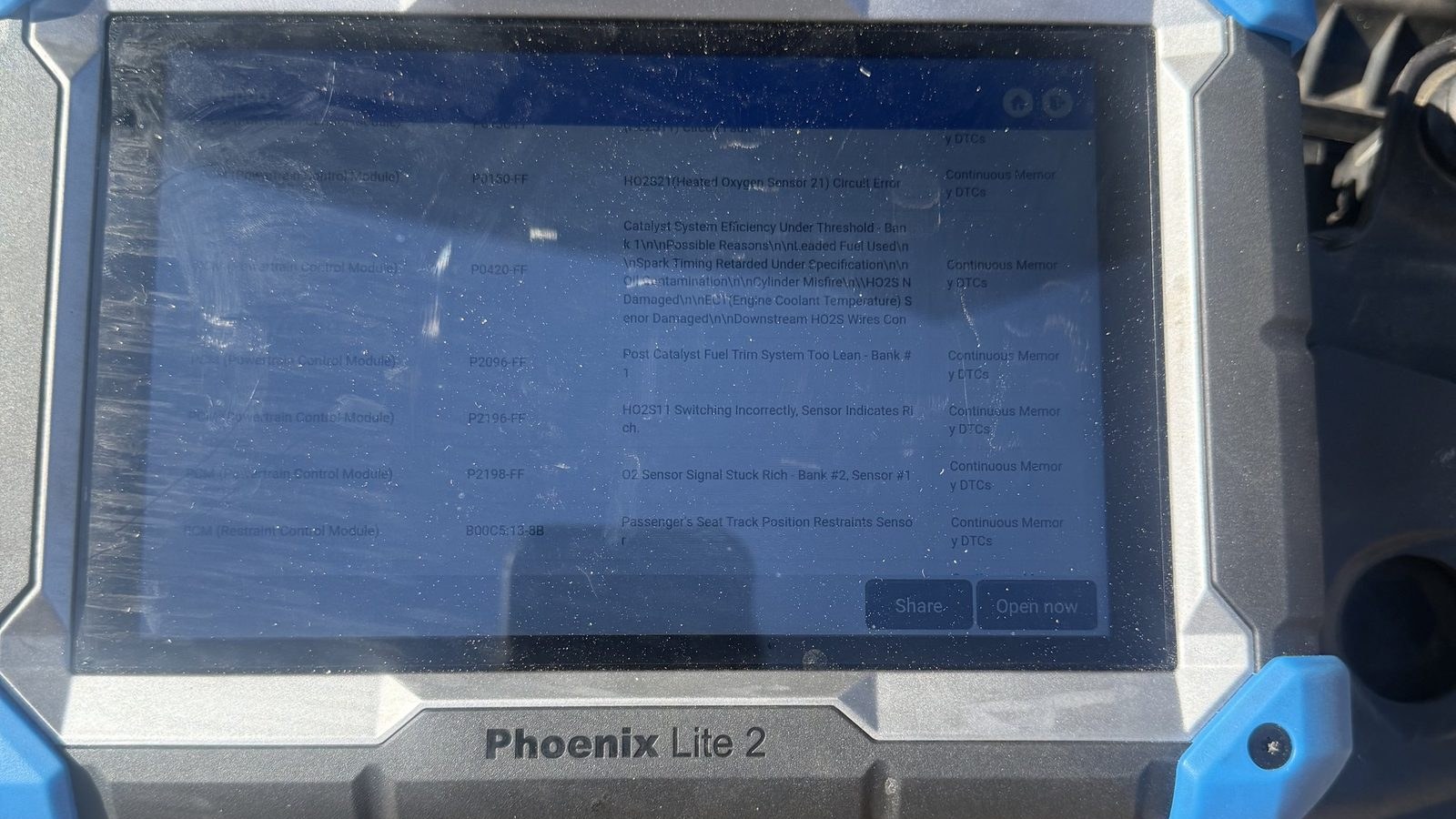
Heating and A/C work becomes urgent fast once a Charleston summer hits and a system stops blowing cold. A/C problems usually come down to a refrigerant leak, a failing compressor, or an electrical issue in the system, and the symptoms are not always easy to tell apart without checking pressures and looking for the leak itself. Engine diagnostics covers check engine lights and the rough running, hesitation, or stalling that usually shows up alongside them. A code reader gives a starting point, but the real work is tracing that code back to the actual failed sensor, wire, or component instead of swapping parts and hoping.
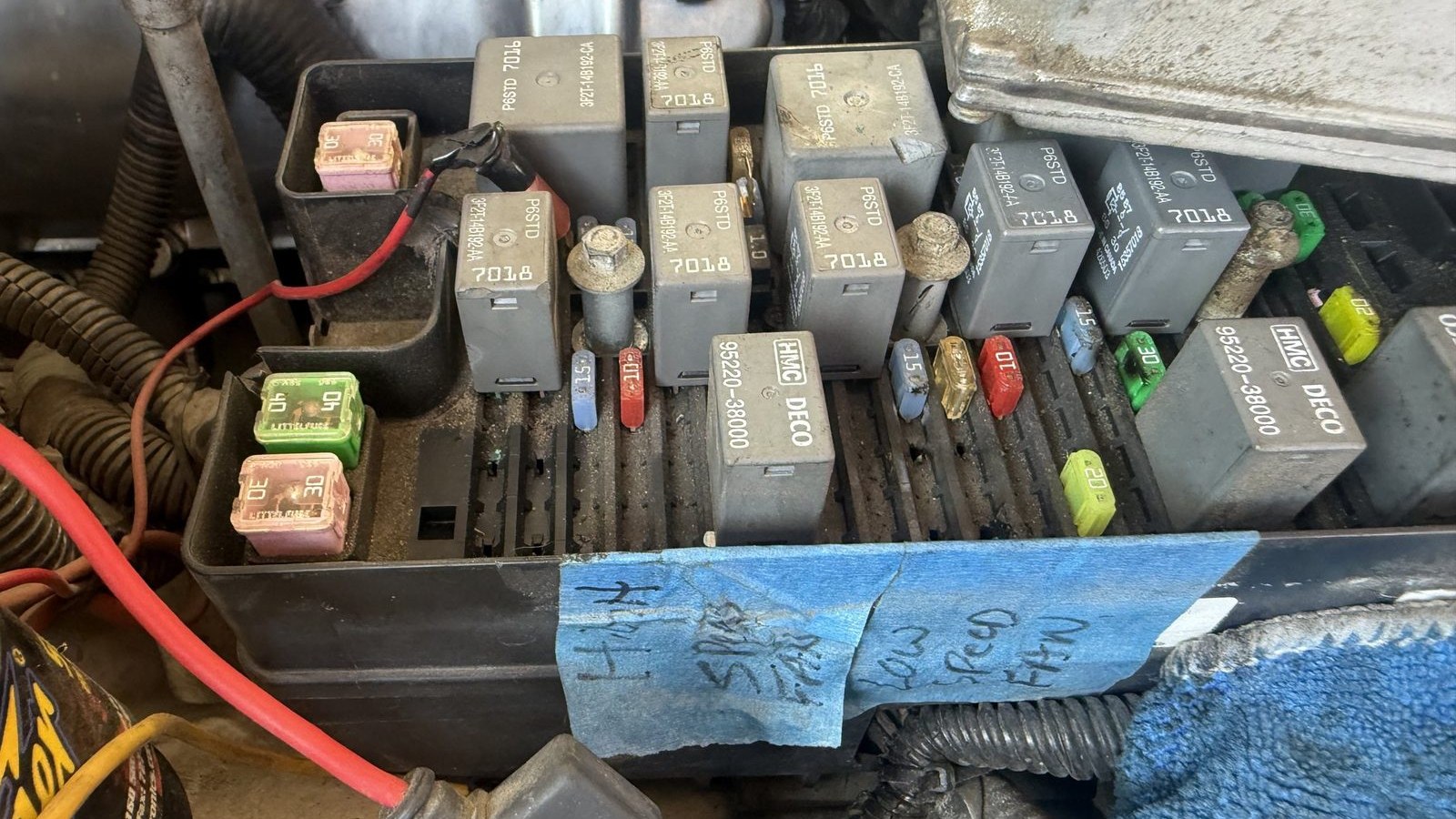
Electrical issues are some of the hardest to pin down because a single bad ground or corroded connector can cause problems that seem to jump around, a dash light that flickers, power windows that work sometimes, a car that occasionally will not start. We trace these systematically rather than throwing parts at the symptom, which saves time and money compared to guessing. This matters just as much for alternator and charging problems, since a loose or corroded connection can mimic a failing alternator even when the part itself is fine.
Because parking and towing in Charleston can be a hassle, we meet the car where it already is. That could be a driveway, a work lot, or the curb where it stalled out on the way to somewhere else. You do not have to figure out how to get a dead battery or a car stuck in gear to a shop before anyone can look at it. We bring the diagnostic tools and the parts knowledge to the car, which matters most when the issue is something like a no-start that makes the car impossible to move under its own power in the first place.
When you call, tell us what the car is doing and where it is sitting. Mention any warning lights on the dash, unusual noises like grinding or clicking, and whether it will start at all or just clicks when you turn the key. That kind of detail, along with the car's year, make, and model, helps us show up with the right tools and a reasonable idea of the problem instead of starting from zero once we get there. The more specific you can be about when the issue started and what makes it better or worse, the faster we can narrow down what is actually going on.
 Supercanic