
Every time you press the brake pedal, the brake pads squeeze against the rotors to create friction, and that friction is what slows the car down. Over thousands of miles, that friction wears the pads thin. Rotors take a beating too. Heat and age can cause them to warp or wear unevenly, and that problem gets worse with constant stop and go driving around Summerville and Goose Creek traffic. Brake fluid is part of the picture as well. It absorbs moisture over the years, and that moisture can change how firm or soft the pedal feels under your foot. None of this means something is wrong with your car. It is normal wear and tear. The trouble starts when it gets ignored, because a simple pad swap can turn into a repair that involves rotors, calipers, and brake lines all at once.
Signs You Need Brake Service
- Squealing or screeching when you brake
- Grinding noise that gets worse over time
- Car pulls to one side when stopping
- Brake pedal feels soft or sinks to the floor
- Steering wheel shakes or pulses when braking
- Dashboard brake warning light is on
When a car comes in for brakes, we do not just slap on new pads and send it out the door. We pull the wheels first and get eyes on the pads, rotors, calipers, and brake lines. We measure how much pad material is left and check the rotors closely for grooves, warping, or wear that is not even across the surface. We also check the condition of the brake fluid and look for leaks anywhere in the lines or around the calipers themselves. This step matters because it tells us exactly what the car needs instead of guessing. Some cars only need pads. Others need more. Either way, we are not replacing parts that still have good life left in them, and we are not missing something that could cause a bigger problem down the road.
A standard brake job follows a pretty consistent process once we know what the car needs. We remove the wheel, take off the caliper, and swap out the worn pads for new ones. If the rotors are too worn or grooved to keep using, we resurface them or replace them outright depending on how much material is left. While we are in there, we clean up the caliper slides so the new pads can move freely instead of dragging or sticking, which causes uneven wear down the line. Everything gets reinstalled and torqued to spec, because loose or over tight hardware causes its own set of problems later. Before the car is called done, we bed in the new pads properly and test the brakes to make sure the pedal feels right and the car stops the way it should.
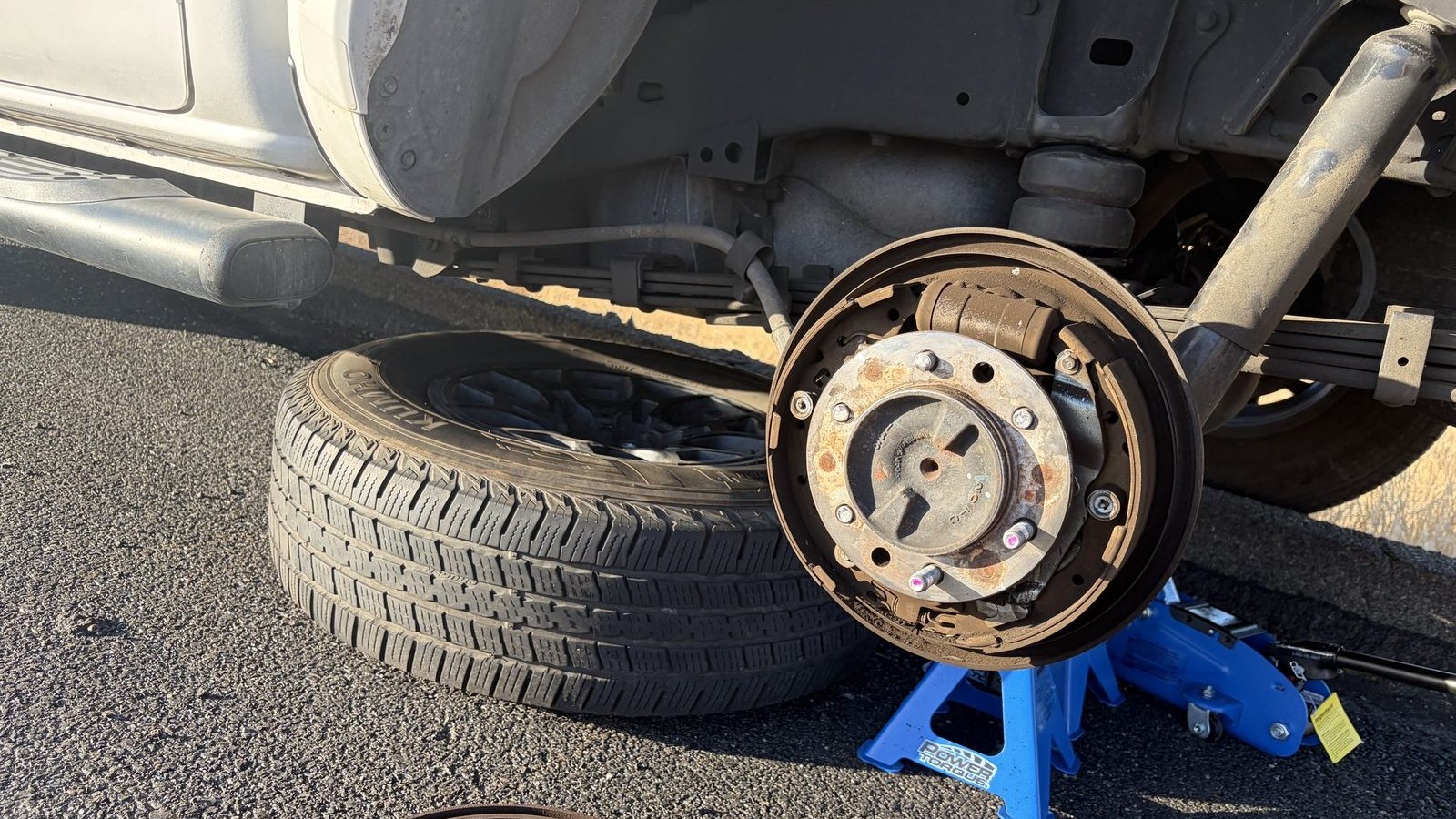

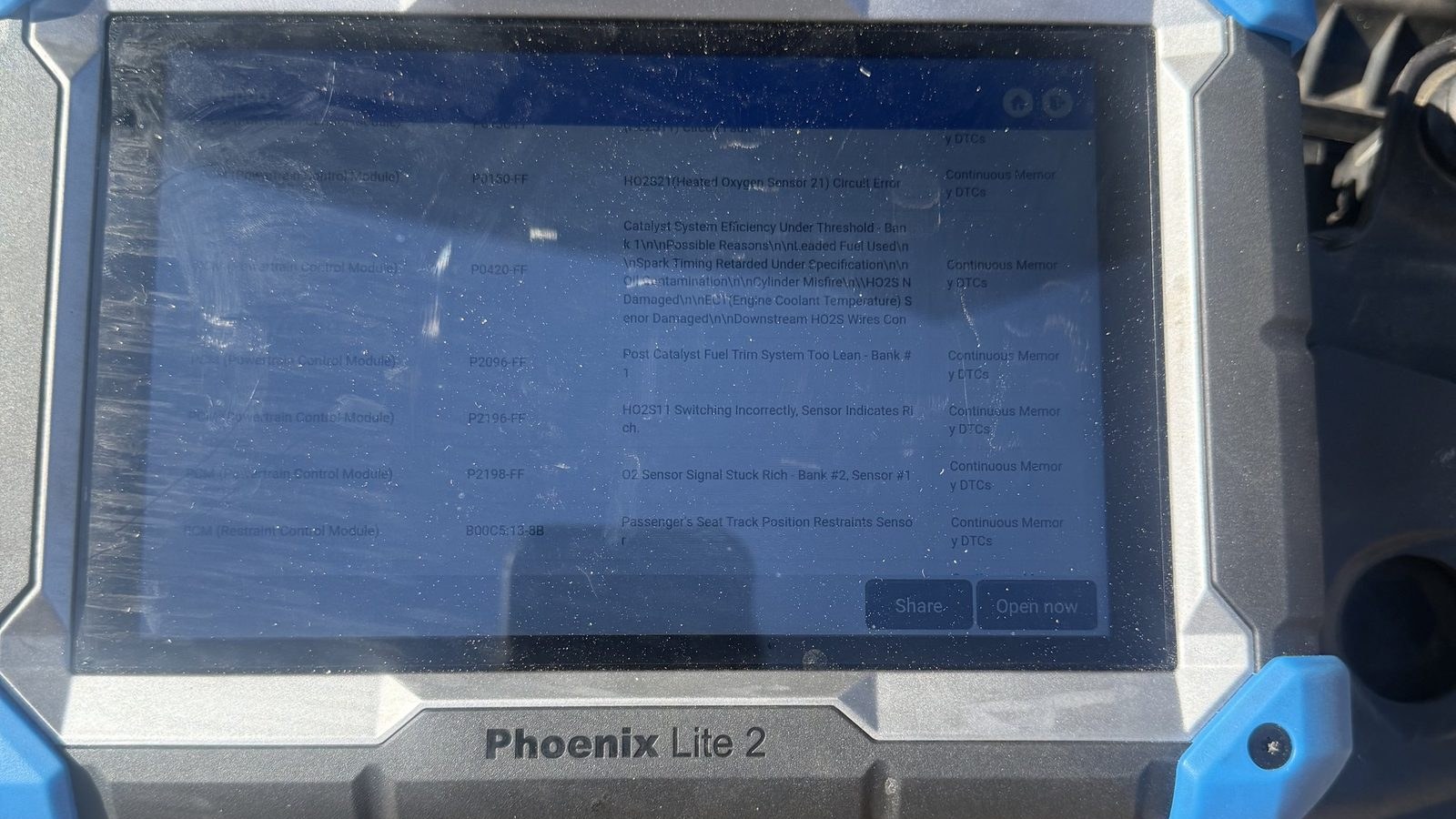
Not every brake job looks the same, and the size of the repair really comes down to how far the wear has gone before it gets addressed. If you catch it early, it might really just be a pad replacement and nothing more. But if the rotors have worn down too thin or developed a warp, those have to be replaced too, since resurfacing only works within a certain limit. Calipers are another variable. They can start sticking or leaking brake fluid, and either one adds another piece to the repair. On top of all that, the number of axles needing attention changes the scope of the job, since front and rear brakes almost never wear at the same rate. Driving habits, hills, and how much city driving you do all play into which end wears faster.
Front brakes usually do more of the work than rear brakes on most vehicles, which is why they tend to wear out faster. Hard braking, stop and go traffic, and carrying extra weight in the car all speed up that wear. Rear brakes often last longer, but that is not a guarantee, especially on vehicles where the parking brake runs through the rear calipers or drums. That is part of why we check all four corners during an inspection instead of assuming the front and back are in the same shape. A car that pulls to one side when braking, or feels like it is working harder on one wheel than another, is often telling you that wear is uneven between the axles or even side to side on the same axle, which is something worth catching early.
If you start hearing a grinding noise when you brake, or the pedal suddenly feels soft and sinks lower than usual, it is worth changing your driving habits until the car gets looked at. Try to avoid hard stops, high speed braking, and heavy highway driving in the meantime. Grinding almost always means the pads have worn down past the friction material and metal is now contacting metal, which is the backing plate grinding directly against the rotor surface. The longer that continues, the more damage it does to the rotor, turning what could have been a simple pad replacement into a rotor replacement as well. A soft pedal can point to air in the lines, a fluid leak, or a bigger issue in the brake system that should not wait.
Brakes are not a part of the car you want to put off, since they are the one system standing between you and stopping safely at a red light or in traffic on I-26. Small changes are usually the first sign something is shifting, things like a slight squeal when you brake at low speed, a pedal that feels a little different than it used to, or a faint pull to one side. None of those things mean you need an immediate repair, but they are worth having checked before they turn into grinding, pulling, or a soft pedal that is harder to ignore. Catching wear early on the pads or rotors is almost always a smaller job than waiting until the whole system is affected, and it keeps the rest of the brake components, like calipers and lines, from taking on damage they did not need to have.
What to Tell Us When You Call
- Year, make, and model of your vehicle
- What noise or feeling you are noticing when you brake
- Whether the dashboard brake light is on
- How long the issue has been happening

 Supercanic