
Most calls we get from Lincolnville start with something electrical. A battery that drains overnight, a dash light that will not turn off, or a car that just does not feel right when it starts up. Alternator repair comes up more than most people expect, and it usually shows up the same way every time. Lights dim when you hit the brakes or turn on the AC. The car cranks slow in the morning. Sometimes the battery light flickers on and off before it stays lit for good. The alternator keeps your battery charged while the engine runs, so when it starts to fail, the battery takes the hit first and gets blamed for a problem it did not cause. We do not just swap parts and hope. We test the charging system properly so we know if it is the alternator, the battery, or a bad connection somewhere in between.
That testing matters because replacing the wrong part does not fix anything. A new battery will not help if the alternator is not charging it. A new alternator will not help if the real issue is a corroded ground wire or a loose connection. We run a load test on the battery, check the alternator output while the engine is running, and look at the wiring and connections for corrosion or damage. Once we know what is actually failing, we replace that part and check the whole system again before we call the job done. This kind of electrical diagnostic work takes a little patience, but it saves you from paying for parts that were never the problem in the first place.
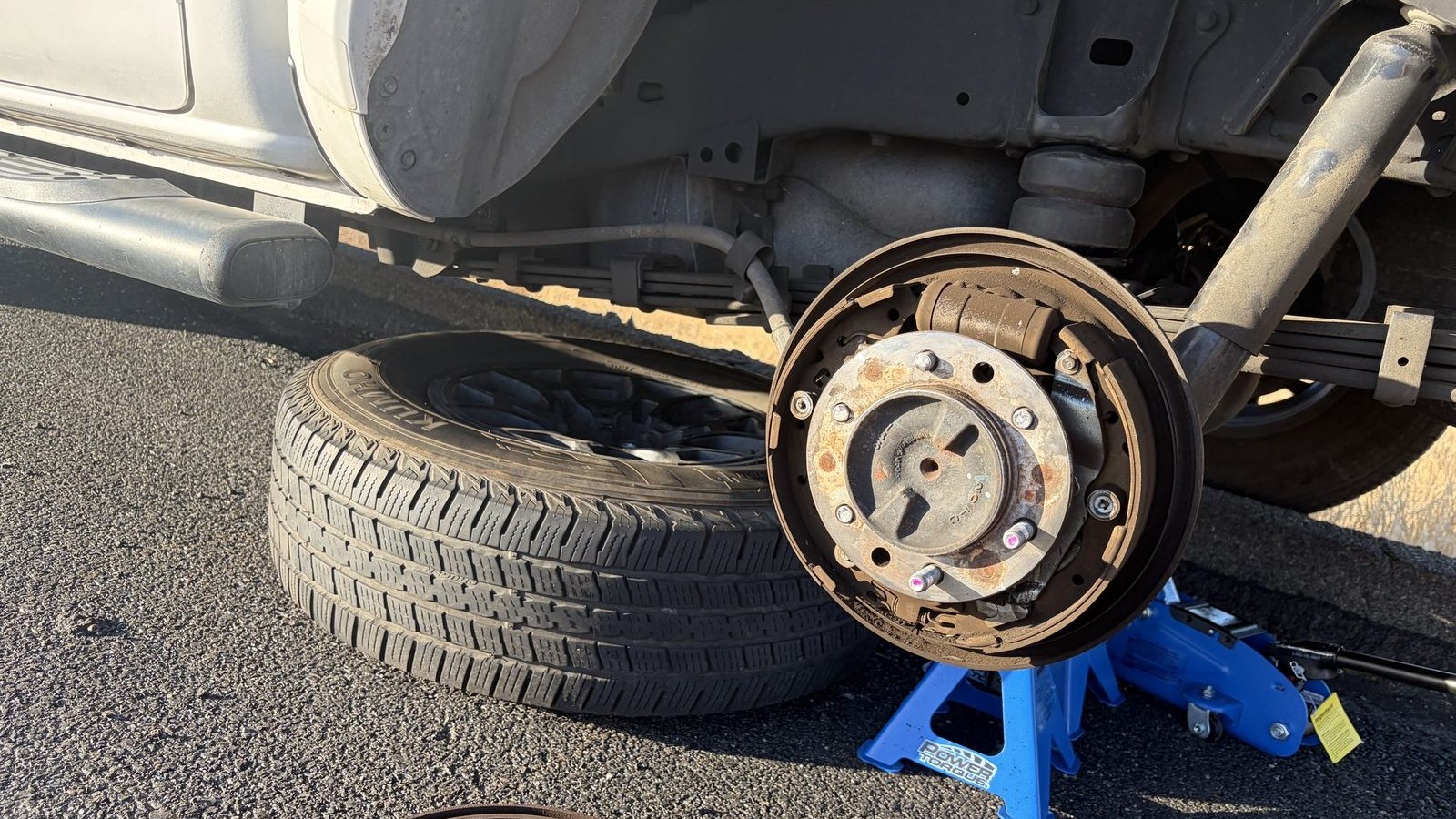

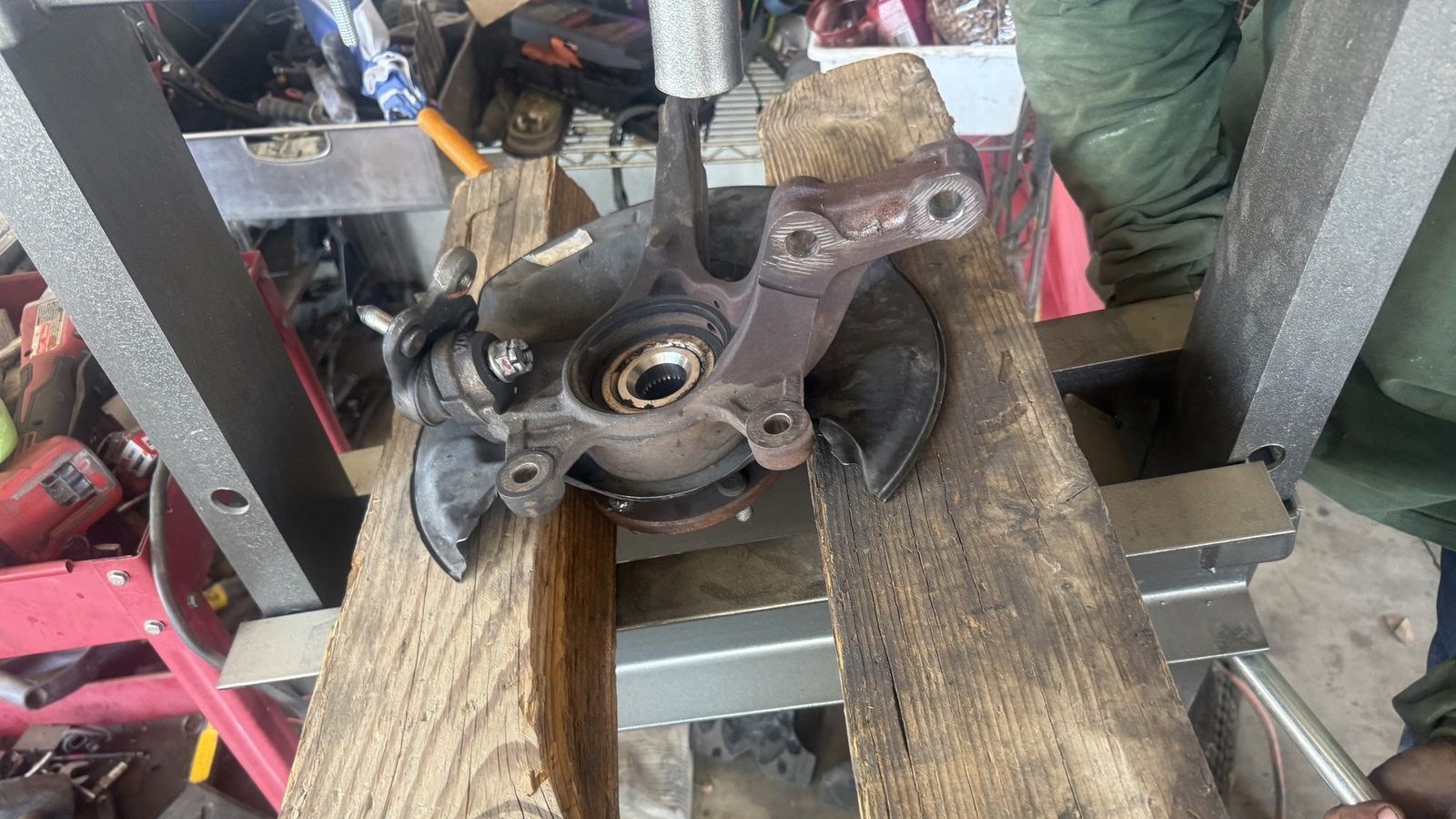
Beyond the electrical side, we handle the regular maintenance and repair work most cars need over time. Oil changes keep the engine lubricated and running cooler, and skipping them too long leads to sludge buildup and faster wear. Brake service comes up when pads start squealing on a light touch or grinding on a harder stop, both signs that the pads are thin and metal is wearing against metal. Suspension and steering work covers the bouncing, pulling, or clunking that shows up over bumps or during turns, usually from worn shocks, struts, or bushings. None of this is glamorous work, but it is the stuff that keeps a car safe and predictable to drive every day.
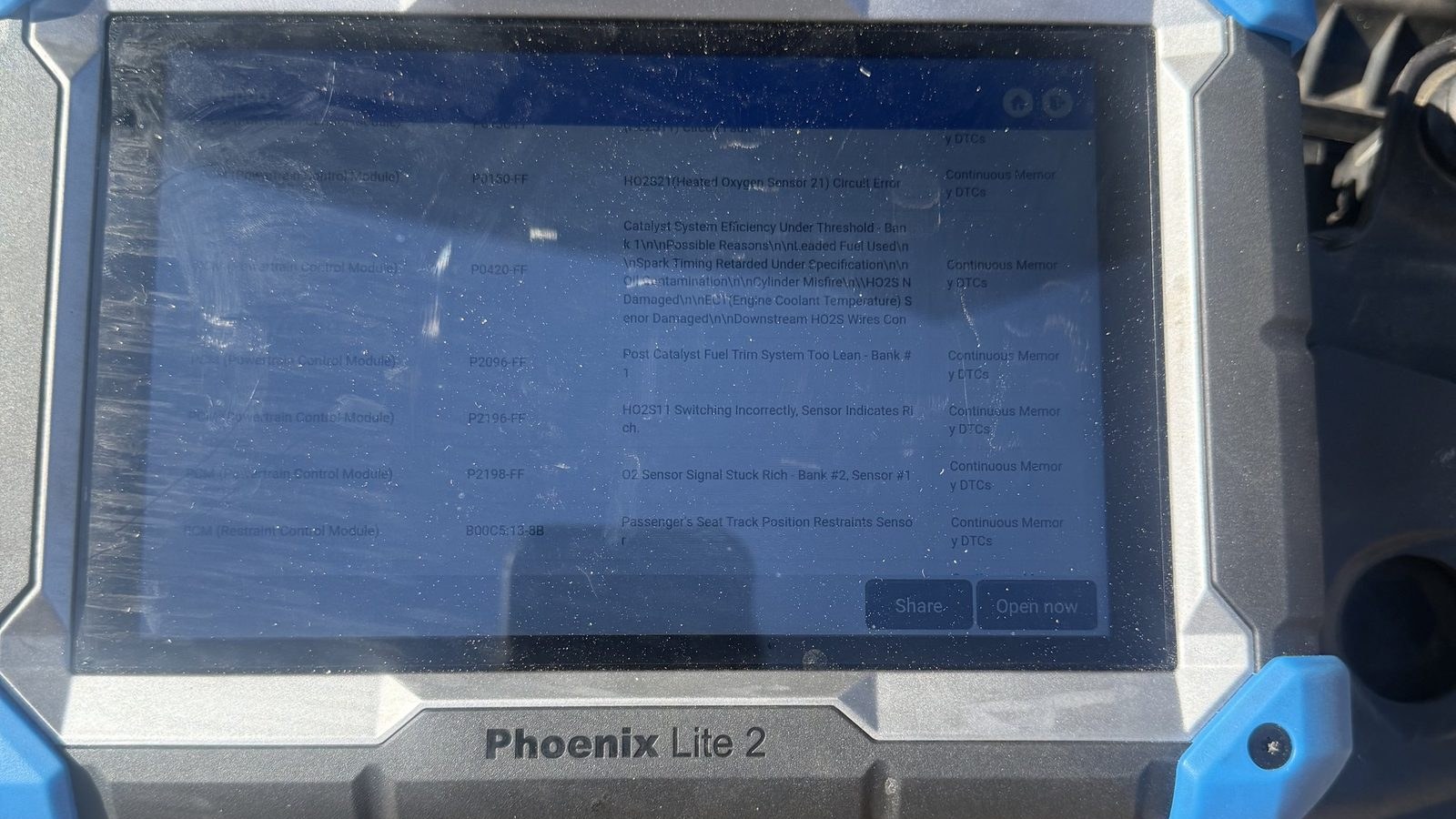
Heating and A/C problems tend to show up at the worst time, either a cold morning with no heat or a hot afternoon with air that is not actually cold. We check refrigerant levels, look for leaks in the system, and test the components that control airflow and temperature before replacing anything. Engine diagnostics covers the check engine light along with whatever symptom came with it, like a rough idle, a hesitation when you accelerate, or a car that just feels sluggish. We pull the codes, but we do not stop there, because a code points to an area, not always the exact cause. We follow it up with actual testing so the fix matches what is really going on under the hood.
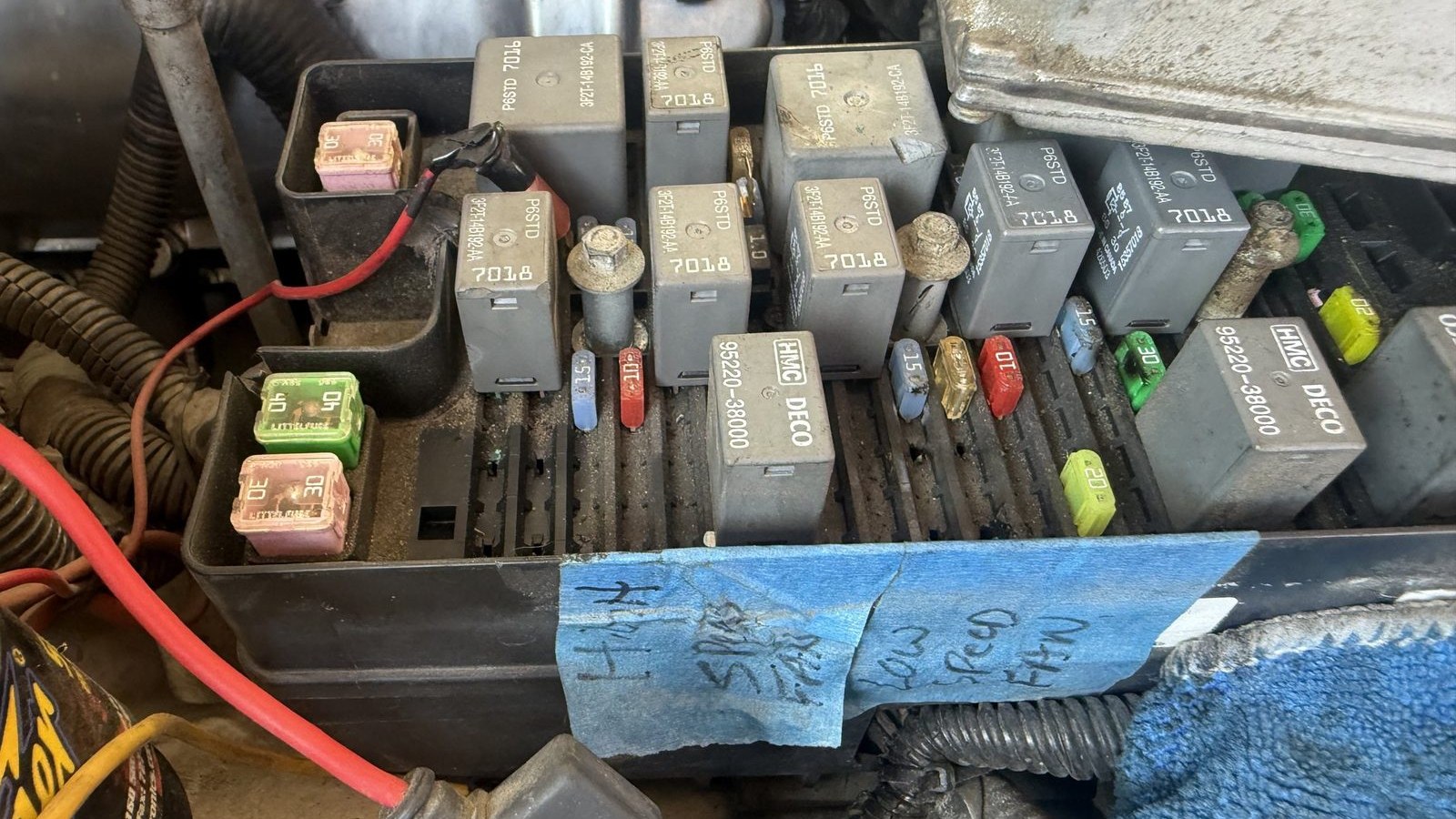
Electrical problems outside the charging system show up too, things like a window that will not go up, a dome light that stays on, or wiring that got damaged somewhere and is now causing a short. These can be frustrating because the symptom and the cause are not always in the same spot. A blown fuse might point to a bigger issue elsewhere in the circuit. We trace the wiring, test the components, and figure out where the break in the chain actually is instead of guessing. If it is something a mechanic would normally look at on a car in Lincolnville, we can usually look at it too, whether it is electrical, mechanical, or somewhere in between.
Since we are a mobile repair service, we come to wherever the car actually is sitting. That might be your driveway, a parking lot at work, or the spot where the car stalled out and would not restart. In most cases there is no need to get it towed somewhere first, which matters a lot when the car will not move under its own power. We bring the diagnostic equipment and tools needed to test the charging system, check codes, inspect brakes, or handle the other repairs listed here, all done on site. That setup works well for Lincolnville, since you are not stuck arranging a tow before anyone can even look at the problem.
When you call us at 843-870-4835, just describe what the car is doing in plain terms. Say whether it cranks at all when you turn the key, or if it just clicks. Mention any noise, when it happens, and whether it is getting worse. Let us know where the car is sitting right now, since that is where we will be coming to work on it. These details help us figure out roughly what we are dealing with, whether it points to the alternator repair category, a brake issue, a suspension problem, or something electrical, before we even arrive and start testing things in person.
 Supercanic