
Your car actually runs two separate climate systems that just happen to share the same vents and controls. The A/C side depends on refrigerant moving through a sealed loop, getting compressed, then expanding to pull heat and humidity out of the cabin air. The heating side works off your engine itself, routing hot coolant through a small radiator called the heater core, then blowing air across it to warm things up. Both setups rely on hoses, seals, and small components that wear down over the years. A tiny leak in either system rarely announces itself right away. It just slowly gets worse, until one day you notice the air blowing is warm when it should be cold, or cold when it should be warm. Low refrigerant also makes the compressor work harder than it was built to, which can shorten its life if the leak goes unaddressed.
Signs Your Heating or A/C Needs Attention
- A/C blows warm air instead of cold
- Heat takes a long time to warm up or never does
- Weak airflow from the vents
- Strange smell when the system is running
- Strange noise when A/C or heat is turned on
- System cools or heats only sometimes
When your heat or A/C stops working right, we do not just start swapping parts and hoping. We check what the system is actually doing first. That might mean hooking up gauges to read refrigerant pressure and looking for oily residue or other signs of a leak along the lines and fittings. On the heating side, we check coolant levels and inspect the hoses and connections around the heater core, since that is where leaks tend to show up. We also look at electrical components like the blower motor and the control module, since a climate problem is not always about refrigerant or coolant at all. Sometimes it is a fan that will not spin or a switch that will not send power where it needs to go. Figuring out which system is actually failing is what lets us fix the right thing the first time instead of guessing.
Once we know what is actually wrong, the fix depends on what we found. Low refrigerant with a small leak might mean recharging the system after replacing a worn hose, seal, or fitting. A failing compressor might need to be rebuilt or replaced outright, since that part does the heavy lifting for the whole A/C side. On the heating side, a clogged or leaking heater core sometimes needs replacing, and a blower motor that has quit or gotten weak gets swapped so you have proper airflow again. After any repair we make sure the system is sealed up correctly, since a loop that is not fully sealed will just lose refrigerant again. Then we test it to confirm it is actually blowing the temperature it is supposed to, not just running. Electrical issues get diagnosed and tested on their own, separate from whatever is happening with refrigerant or coolant, since mixing those up wastes time.


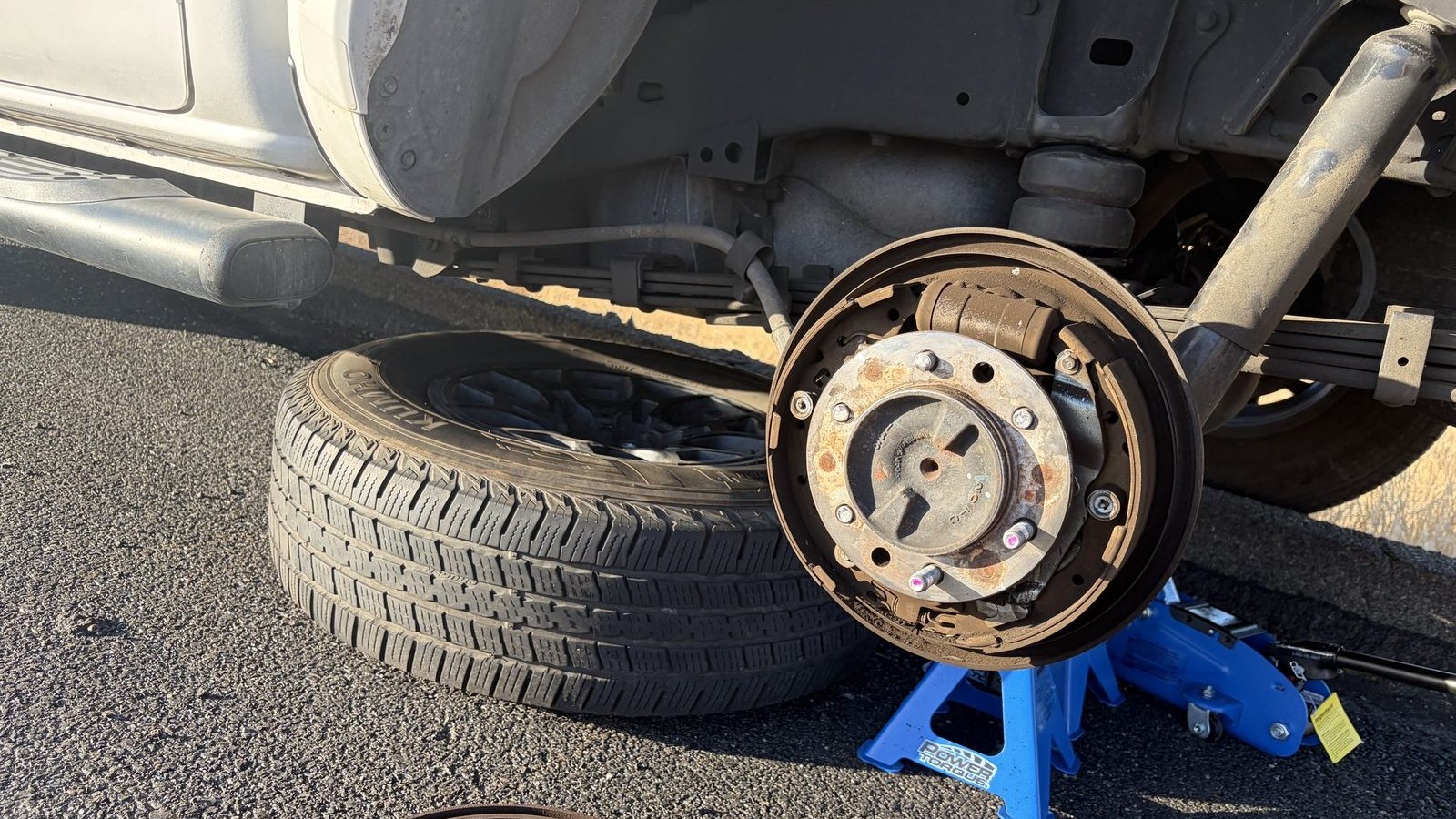
Not every heating or cooling repair is the same size, even when the symptom feels identical from the driver's seat. A refrigerant leak at a hose or fitting that is easy to reach is a fairly straightforward fix. The same kind of leak buried deep near the firewall, tucked behind other components, takes a lot more time and effort to even get to, let alone fix. A heater core replacement tends to fall into that more involved category too, since the heater core is usually buried behind the dashboard, which sometimes has to come apart to get at it. None of this is something you can judge just by how the air feels coming out of the vents. Once we get eyes on the actual system, we will walk you through what we found and what it is going to take to get it working right again.
A weak or failing blower motor is one of the more common culprits behind climate complaints, and it is worth understanding what that part actually does. It is the fan that pushes air across either the A/C evaporator or the heater core and out through your vents. When it starts to wear out, you might notice airflow that is weaker than it used to be, a fan that only works on certain speed settings, or a motor that makes a grinding or rattling noise when it spins. Sometimes the issue is not the motor itself but the blower motor resistor or control module that tells it how fast to run. Either way, these are electrical components that get tested separately from the refrigerant and coolant sides of the system, since a perfectly sealed A/C loop will not move air if the fan behind it has quit.
A compressor that is on its way out often gives some warning before it fails completely. You might hear a louder than usual noise when the A/C clicks on, or notice the cooling performance dropping off even though the system seemed fine a few weeks earlier. Once refrigerant levels drop low from a leak, the compressor has to work harder to do its job, and that extra strain can wear it out faster than it would under normal conditions. This is part of why catching a small refrigerant leak early matters more than it might seem. What starts as a minor seal or hose issue can turn into a bigger repair bill down the road if the compressor itself ends up damaged. Keeping an eye on how your A/C performs over time, not just whether it works at all, can help catch problems before they spread to other parts.
While you are waiting to get your heating or A/C looked at, there are a couple things worth knowing. Running your blower on a lower setting will not cause any further damage, so you do not need to avoid using the system entirely if it is still partially working. That said, pay attention to certain warning signs that mean you should not wait too long. If you smell something sweet inside the cabin, or notice fog on the inside of your windshield that will not clear no matter how long the defrost runs, that can point to a coolant leak getting into the cabin itself through a failing heater core. That is not just an inconvenience. Breathing in coolant vapor is not something you want to do regularly, so that particular combination of symptoms is worth getting checked out sooner rather than letting it ride.
What to Tell Us When You Call
- Year, make, and model of your vehicle
- Whether it is the heat, the A/C, or both acting up
- Any smells, noises, or fogging on the windshield
- If the air is warm, weak, or just not changing temperature

 Supercanic