
North Charleston drivers call about the stuff that shows up at the worst time. A battery that's dead again even though you just charged it the night before. An alternator that's failing slow, dimming your headlights at night or leaving the battery drained by morning like something drained it on purpose. Brakes that grind every time you slow down at a light, loud enough that the people next to you hear it too. AC that blows warm air on a hot afternoon when you need it most. Some calls come in because the check engine light just turned on and nobody knows why, and the car still seems to drive fine, which makes it worse because you don't know if it's safe to keep driving or if you're one mile from a bigger problem.
A failing alternator gets blamed on the battery a lot, because the symptoms look the same at first glance. Both can leave you with a car that won't crank. The real test is what the car does while it's running, not just when you try to start it. A battery problem usually stays a starting problem. An alternator problem follows you down the road. Flickering interior lights, a battery warning light on the dash, or the engine stalling at idle all point to the alternator instead of the battery, since the alternator is what keeps everything charged once the engine is running. We've handled alternator repair often enough in this area to know it's one of the more common reasons a car that was running fine suddenly won't start again a few hours later.
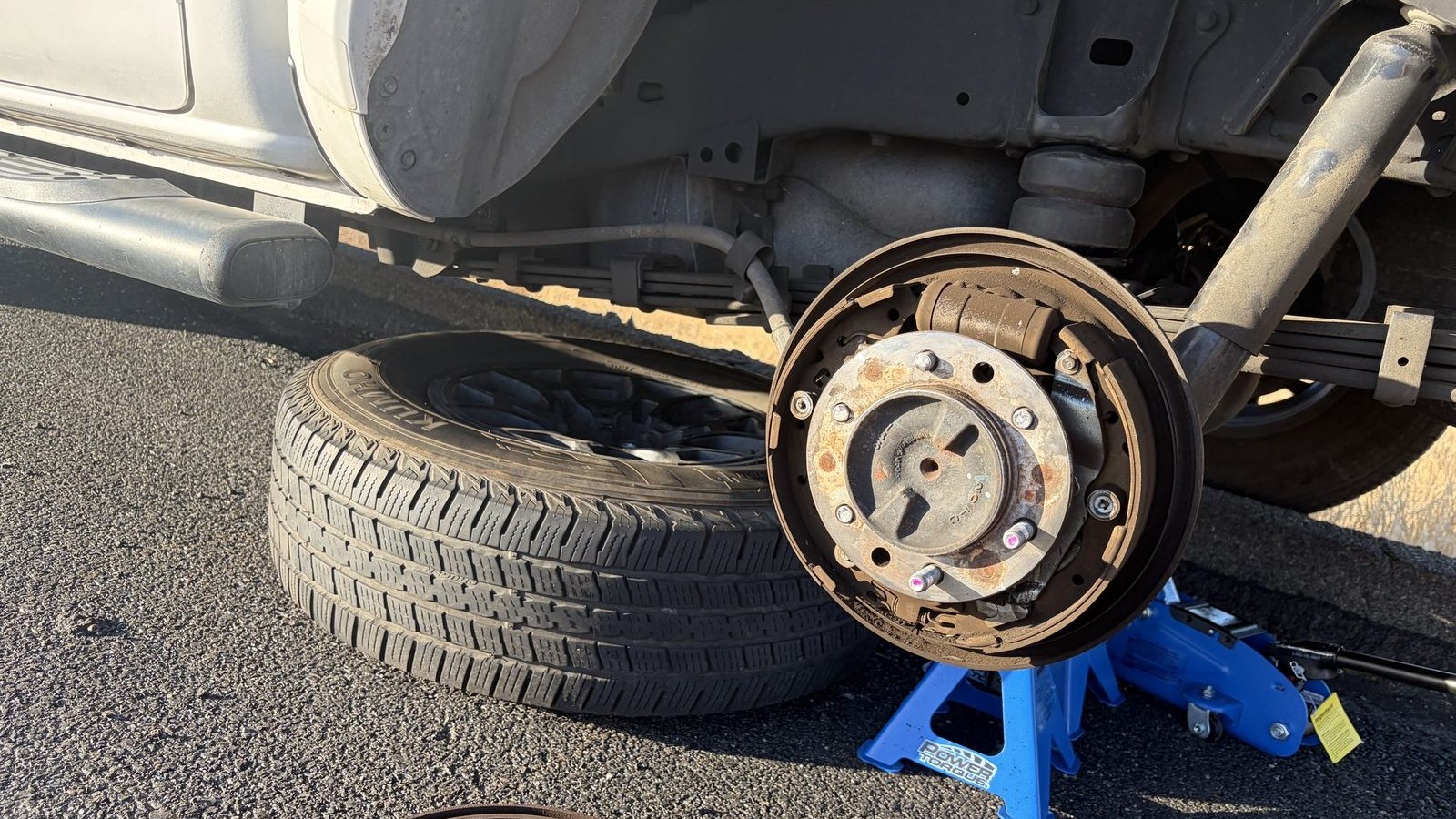

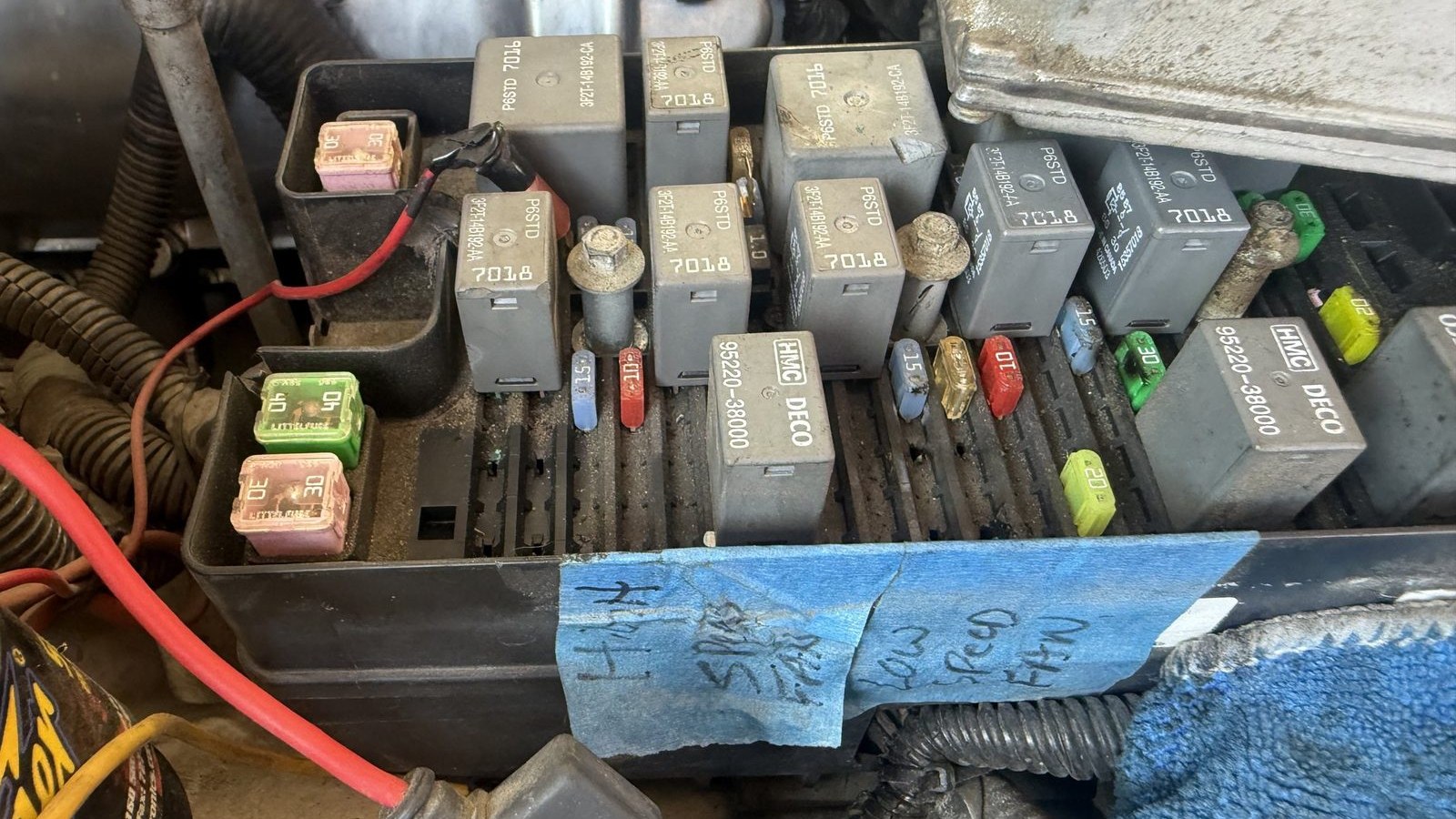
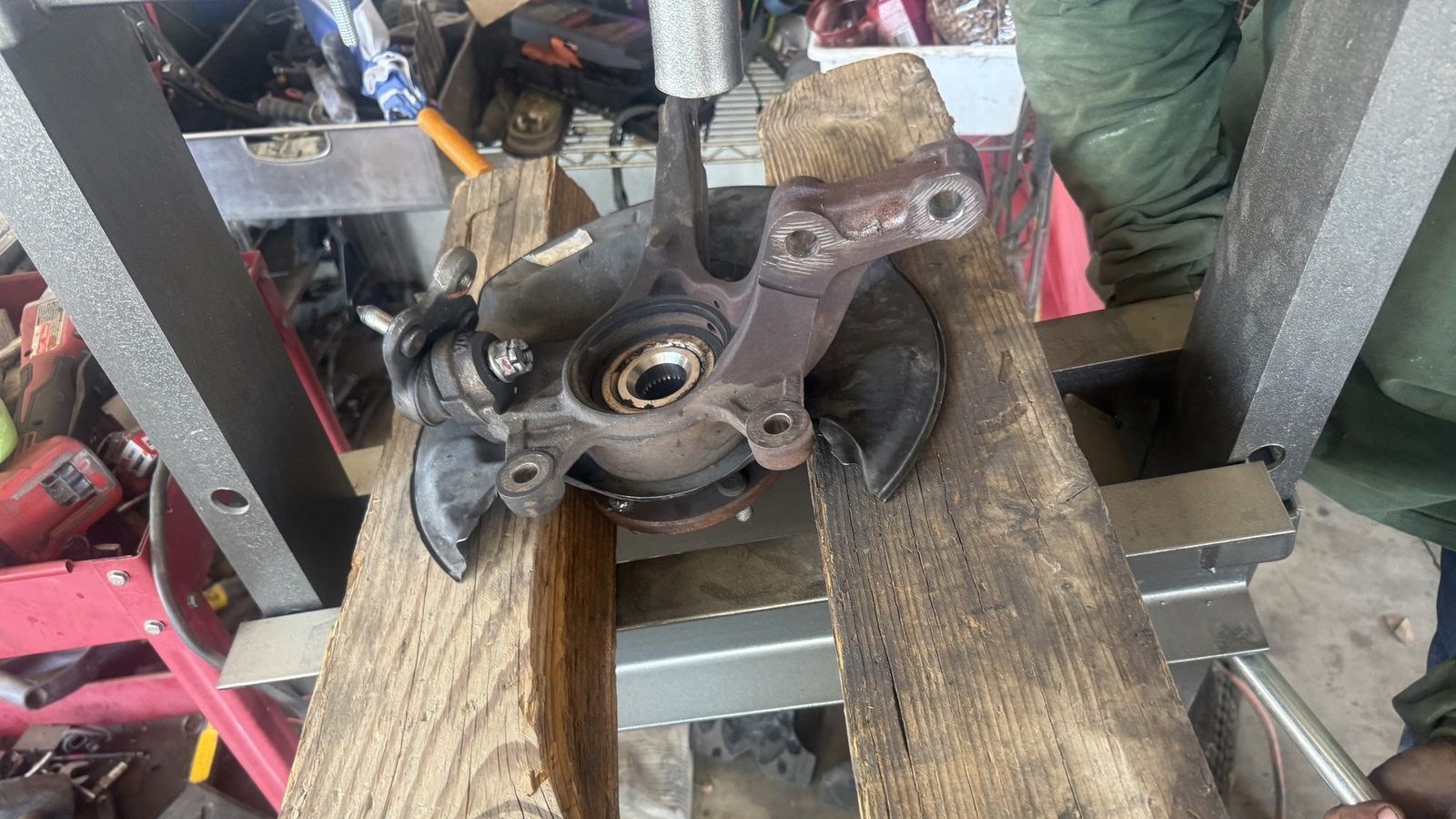
We take care of alternator repair, brake service, and suspension and steering work, along with heating and AC, electrical problems, and oil changes. Suspension and steering issues usually show up as a pull to one side, a shimmy in the wheel, or a clunk over bumps that wasn't there before, and they tend to get worse the longer they're ignored. Electrical problems can be anything from a dead power window to a dash full of warning lights that don't make sense together. Oil changes stay simple but matter more than people think, since old oil loses its ability to protect moving parts, and that's behind a lot of engine problems that get expensive later once metal starts wearing on metal instead of oil doing the job.
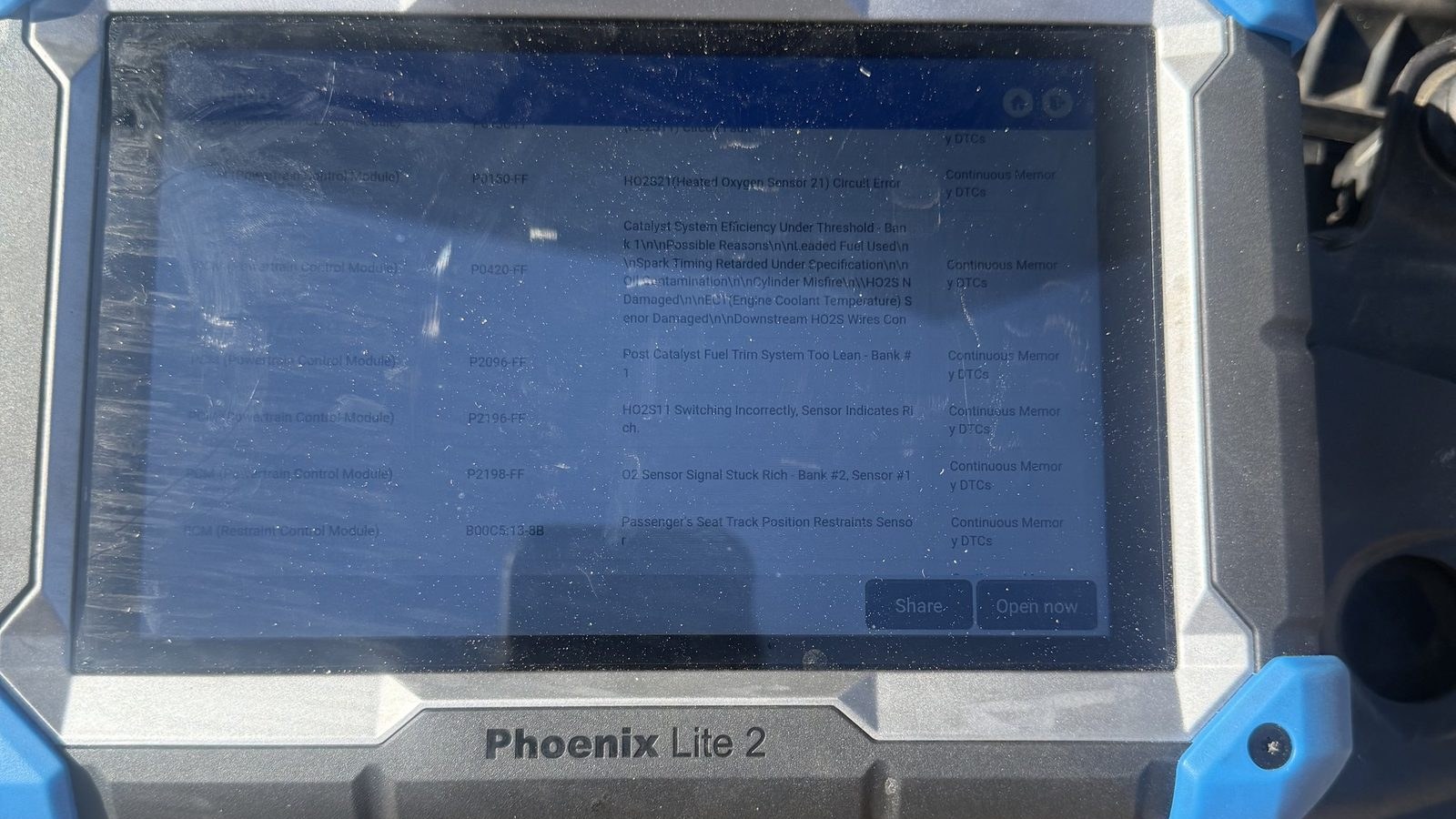
When the issue isn't obvious, engine diagnostics helps us figure out what's actually going on under the hood instead of just swapping parts and hoping one of them fixes it. A check engine light can mean a loose gas cap or it can mean something that needs attention soon, and the only way to know which is to pull the actual codes and check them against what the car is doing. Running the diagnostics first means we're not guessing, and it means you're not paying to replace a part that was never the problem in the first place. It's the difference between fixing the car and just throwing parts at it until something happens to stick.
We meet the car at your house, your job, or right where it broke down in North Charleston. That matters most when the car won't start at all, because a dead battery or a seized alternator doesn't care where you parked it, and getting it towed just adds another step before anyone even looks at the real problem. If you're stuck in a driveway before work or stranded in a lot after your shift ends, we come to that spot instead of asking you to figure out a tow first and hope the shop can see it that day. The car stays where it is while we work on it.
If you're parked at work in North Charleston and the car won't start when you're ready to head home, we can come to that lot and get started there instead of leaving you to sort out a ride. That's usually the moment people realize it's electrical and not just a tired battery, especially if the lights were dim that morning or the radio cut out while driving in earlier. Those small signs matter more than they seem at the time. Getting looked at where the car sits saves you from guessing whether it's even safe to try and drive it somewhere else first, which with a bad alternator can mean losing power steering or stalling out mid drive.
Call and tell us what the car's doing. Starts or doesn't start, any noise, any dash lights, and where the car is sitting right now. Grinding when you brake, clicking when you turn the key, a smell that wasn't there before, all of it helps us get a picture before we show up. Even small details, like whether the lights dimmed first or the car just died with no warning, point us toward the right answer faster. That's all we need to head your way with the right tools and a real idea of what we're walking into before we even get there.
 Supercanic