
Summerville drivers call us about the usual stuff. A battery that clicks but won't crank. An alternator that's starting to whine or a dash light that won't turn off. Brakes that grind on the way home from work. AC that blows warm air once the heat sets in and makes the afternoon commute miserable. We also get calls for oil changes and basic engine diagnostics when a check engine light pops up out of nowhere, usually at the worst possible time. None of this is unusual. Cars in this area deal with humidity, heat, and a lot of stop and go traffic between Summerville and the surrounding towns, and that combination wears on batteries, belts, and cooling systems faster than people expect. If something feels off, it's worth getting it looked at before a small problem turns into a stranded car.
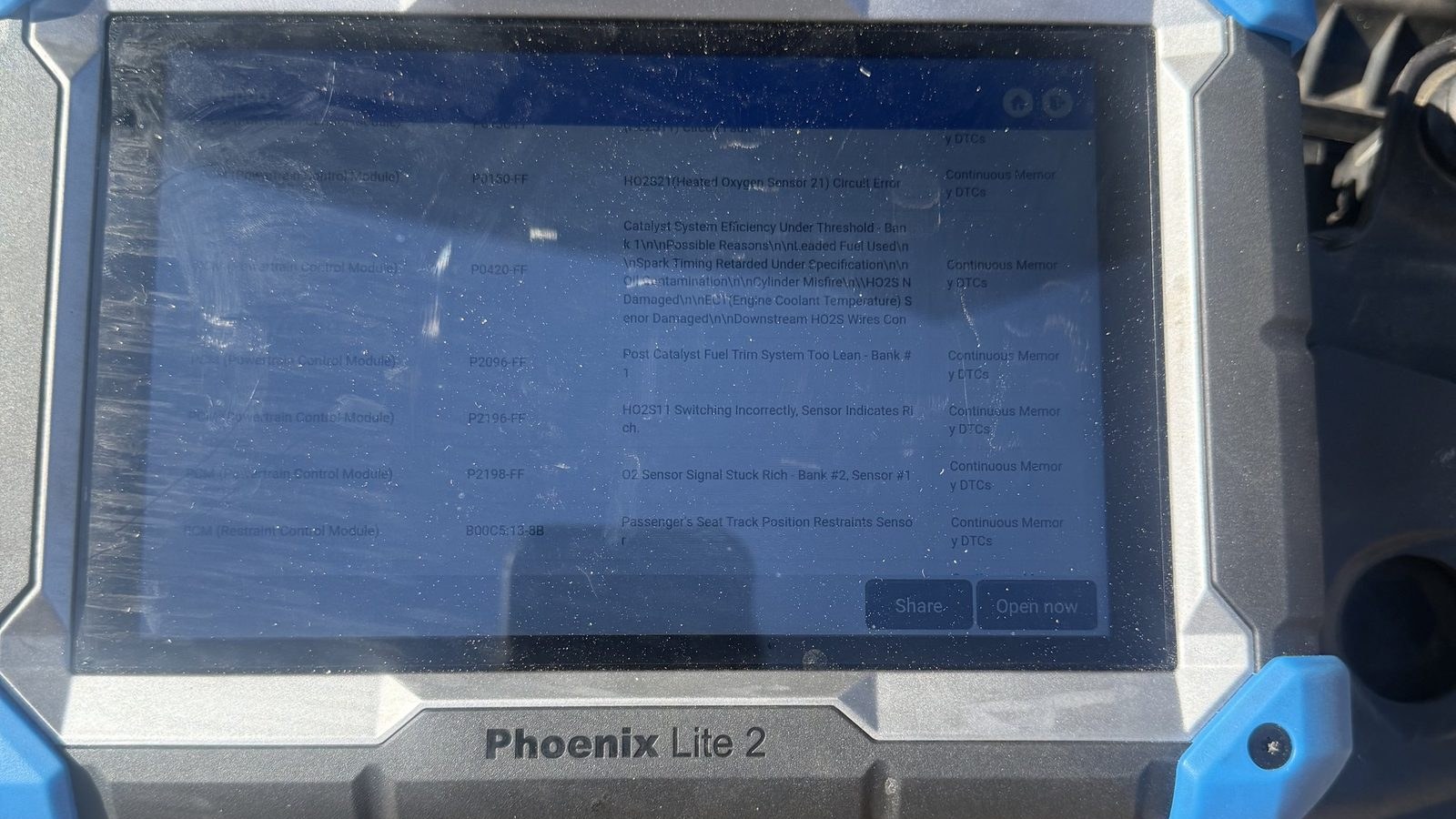
Alternator repair comes up a lot here, and it's one of the jobs we're known for locally. The alternator keeps your battery charged while the engine runs, so when it starts failing you might notice dimming headlights, slow power windows, or a battery warning light before the car ever refuses to start. We also cover **brake service, suspension and steering work, heating and AC, and general electrical troubleshooting**. Electrical issues in particular can be tricky since a bad ground or a corroded connection can cause symptoms that seem unrelated to the actual problem. If your car is doing something weird and you can't pin down why, that's engine diagnostics territory. We hook up the equipment, pull the codes, and walk through what's actually going on instead of just guessing at parts.
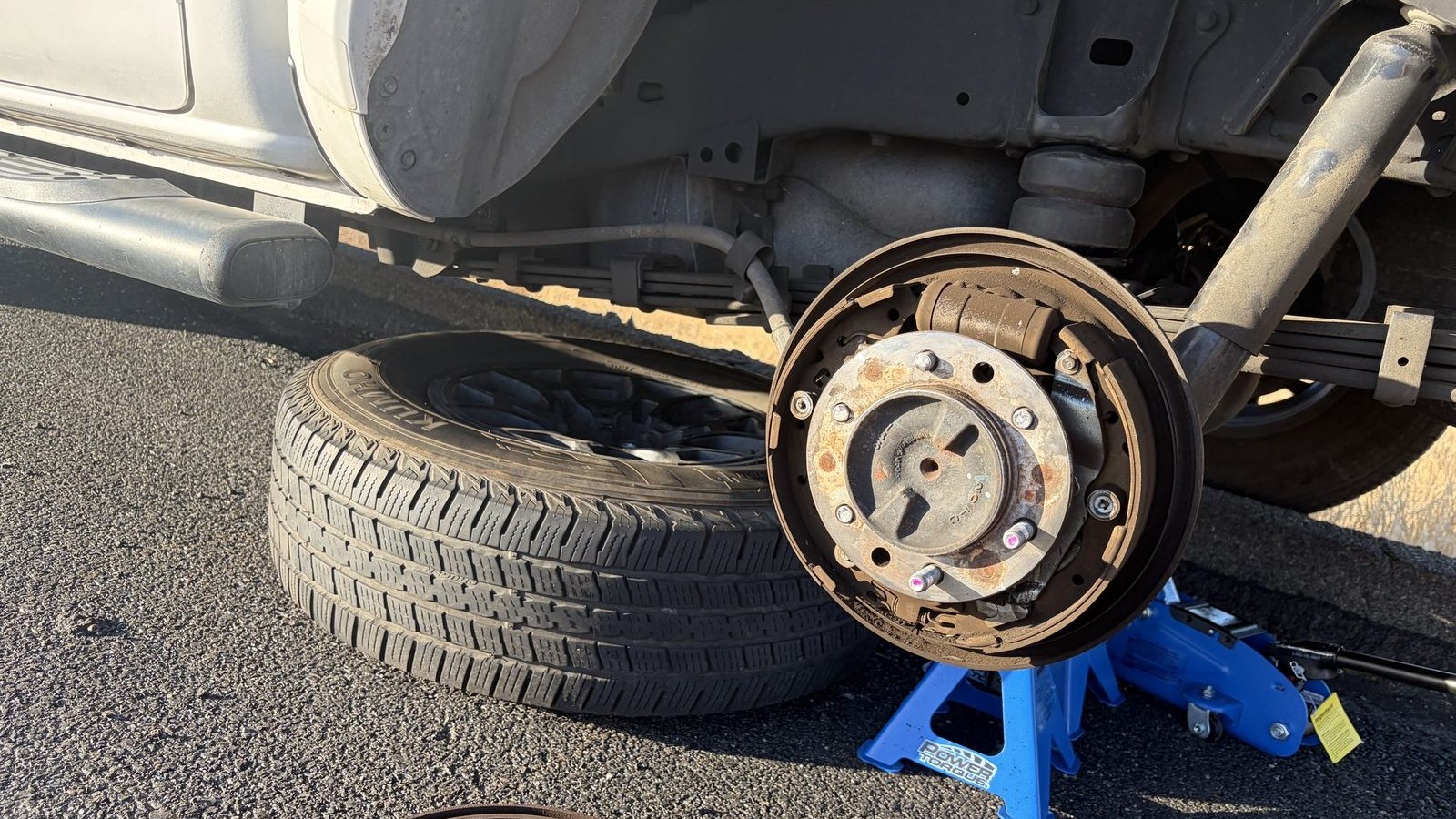

We meet the car wherever it sits. That might be your driveway, your office parking lot in Summerville, or the shoulder of the road if it died on you mid drive. There's no need to get it towed somewhere first, which matters most when the car won't start at all or isn't safe to drive even a short distance. We bring the tools and do the work on site, whether that's a diagnostic scan, a brake job, or swapping out a failing alternator. This setup works well for anyone juggling a work schedule or stuck without a second vehicle, since you're not left figuring out how to get the car to a shop in the first place. We come to it instead.
When you call, just tell us what the car is doing and where it's parked. Say if it's cranking at all, if there's a noise, if a warning light is on. Little details matter more than people think. A slow crank versus a single click can point to different problems, and a grinding noise when braking is a different issue than a squeal that only happens on wet mornings. That helps us know what to bring before we even get there, so we're not making a second trip for a part or tool we didn't expect to need. Have your address or a cross street ready so we can find you, especially if you're parked somewhere without a clear street number, like a shopping center lot or a stretch of road without a visible sign.
A car that clicks but won't crank is almost always a battery or starter issue, and it's one of the most common calls we get. Sometimes it's as simple as a battery that's lost its charge from sitting too long or from a parasitic draw somewhere in the electrical system. Other times the starter itself is wearing out, which usually shows up as a slow or hesitant crank before it quits turning over completely. We check the battery, the connections, and the starting system itself rather than just swapping a part and hoping it fixes things. Catching this early can save you from being stuck in a parking lot or driveway with a car that won't move at all, which is never convenient no matter when it happens.
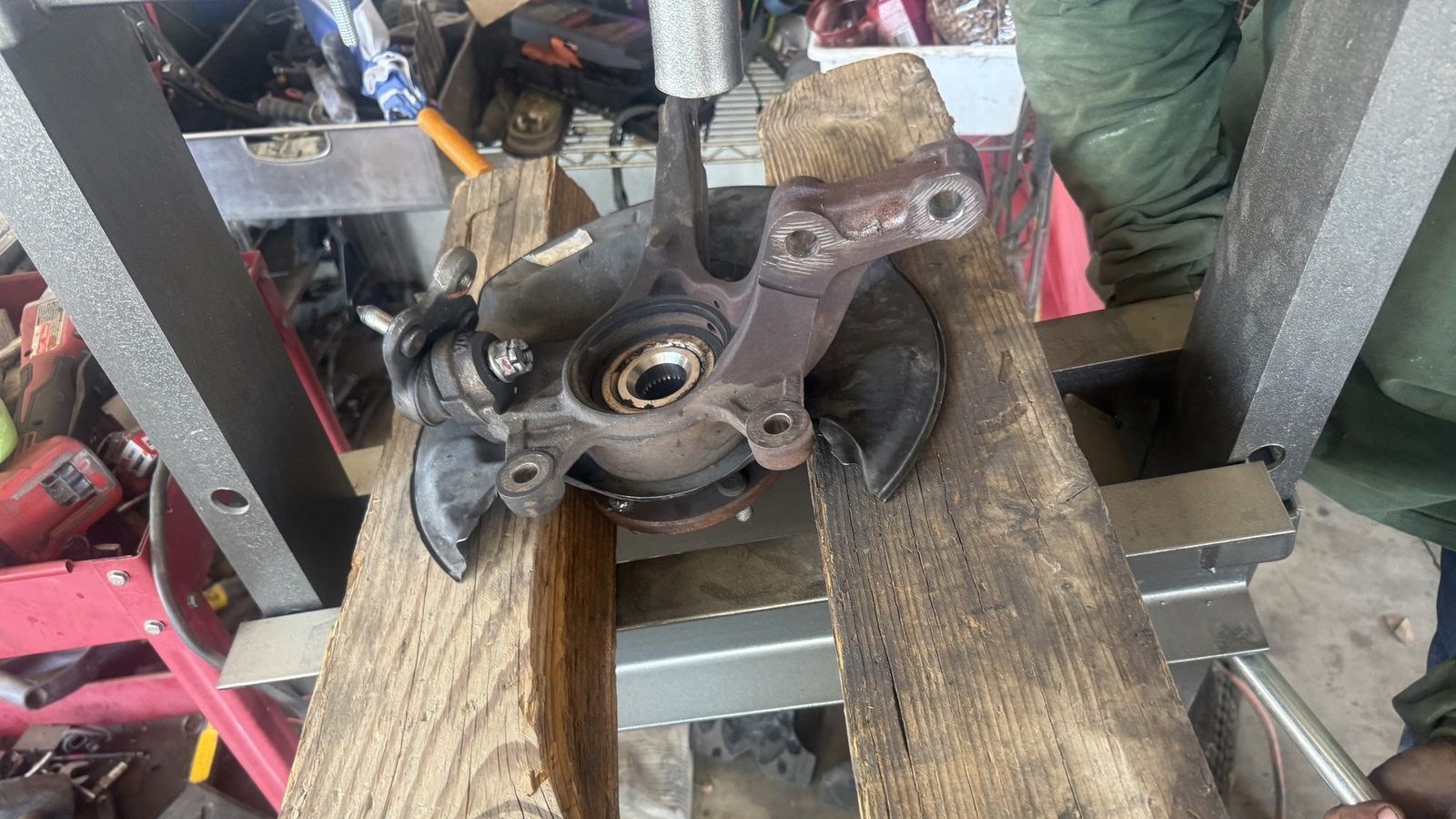
Brake problems tend to announce themselves before they get dangerous, which is why it helps to pay attention early. Grinding, squealing, or a soft pedal are all signs worth checking out instead of ignoring. Grinding usually means the pads have worn down enough that metal is contacting metal, which can damage the rotors if it goes on too long. A soft or spongy pedal can point to air in the brake lines or a fluid issue, both of which affect how quickly the car can actually stop. We look at the whole system, not just the pads, since suspension and steering problems can sometimes mimic brake issues or make them feel worse than they are. A car that pulls to one side or bounces too much after a bump is often a suspension conversation as much as anything else.
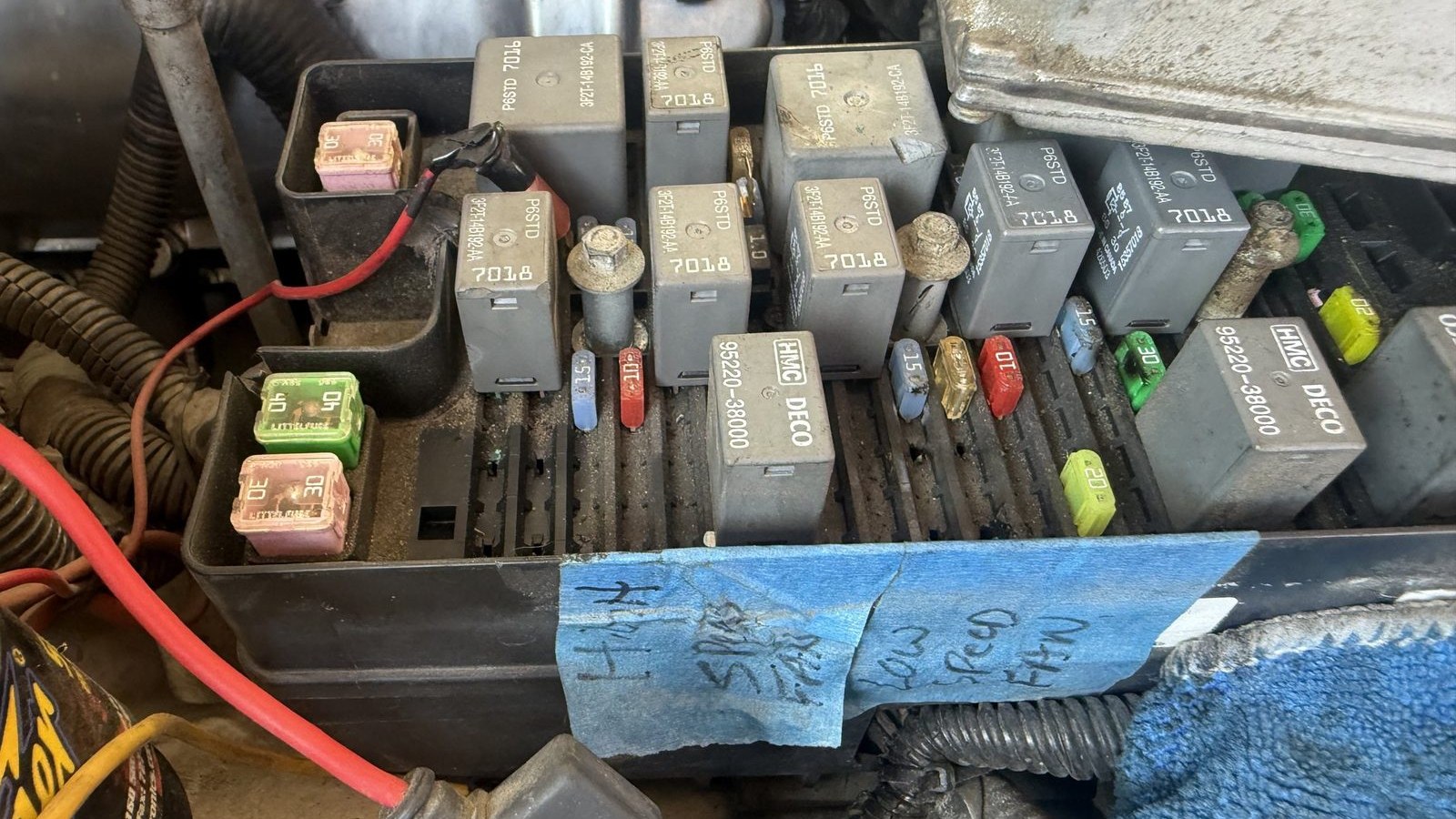
Heating and AC issues tend to show up right when you need the system most, whether that's a cold snap or the thick of a Lowcountry summer. Warm air instead of cold usually points to a refrigerant leak, a failing compressor, or an electrical problem in the system, and figuring out which one it is takes more than just feeling the vents. We also handle general electrical troubleshooting, since modern cars rely on a web of sensors, wiring, and modules that all have to communicate correctly. A single bad connection can throw multiple warning lights or cause a system to act unpredictably. We work through it step by step, checking the actual cause instead of guessing, so you're not paying to replace parts that were never the problem in the first place.
 Supercanic