
If you drive in James Island and your car has been acting up electrically, you are not alone in calling us about it. A common pattern looks like this: the car cranks slow in the morning, the dash lights or headlights dim at idle, or the battery keeps dying even though it is fairly new. People usually assume it is the battery and swap it, only to have the same problem a week later. That is because the real issue is often the alternator, not the battery itself. The alternator's job is to keep the battery charged while the engine runs, using a belt spun by the engine to generate power. When it starts failing, the battery just drains faster than it can recover, and every electrical system in the car feels the effect, from the radio to the power windows to the fuel pump.
Because of that overlap in symptoms, we do not guess. We test the alternator and the battery together before we tell you which one needs work. That means checking output while the engine runs, looking at how the battery holds a charge under load, and ruling out a bad connection, a corroded terminal, or a worn belt before anything gets replaced. A belt that slips just enough can starve the alternator of the speed it needs to charge properly, which looks a lot like alternator failure but is not. Skipping that testing step is how people end up paying for two parts when only one was bad. We would rather spend a few extra minutes testing than have you back here next month with the same slow crank and the same frustration.
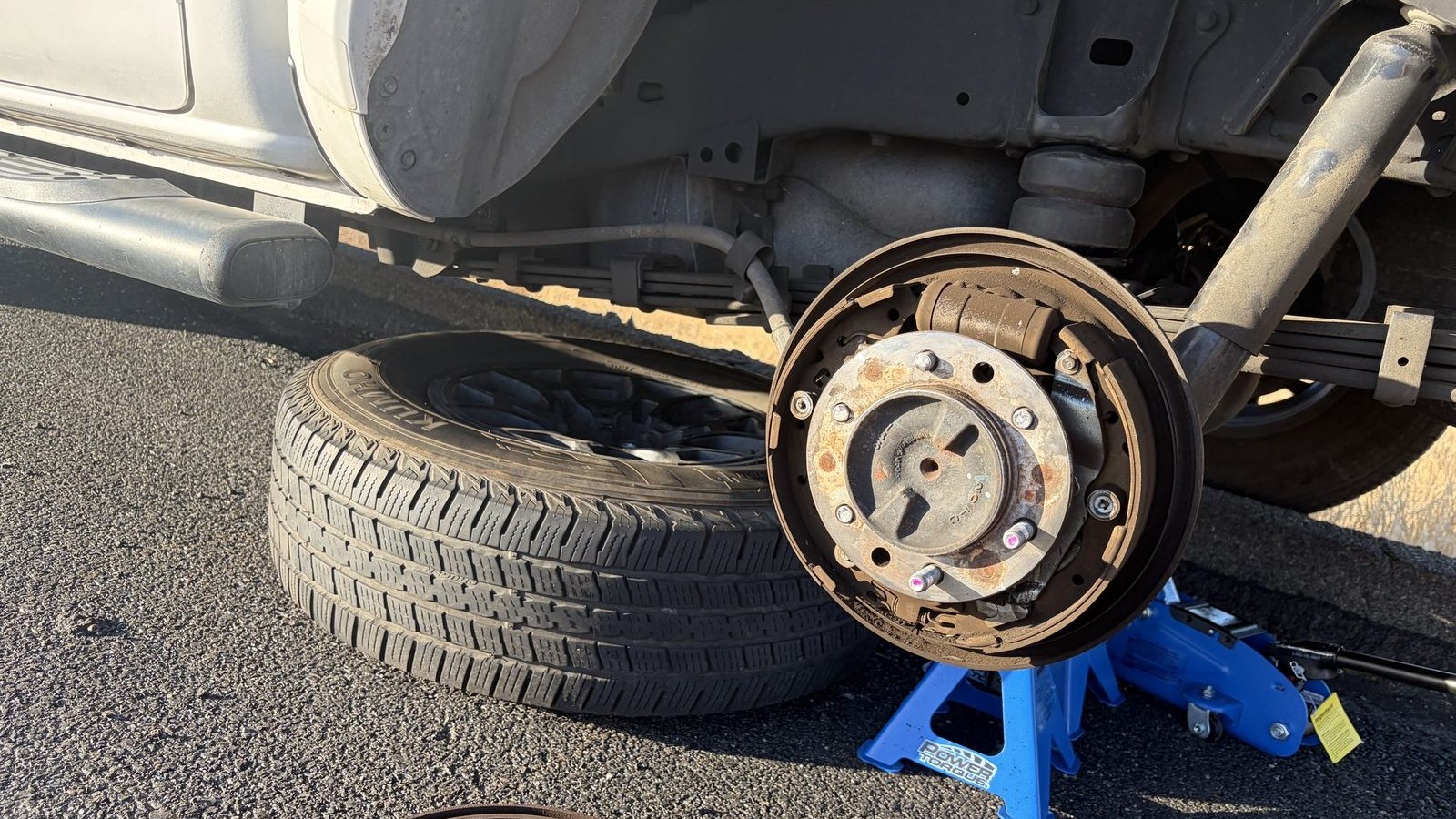

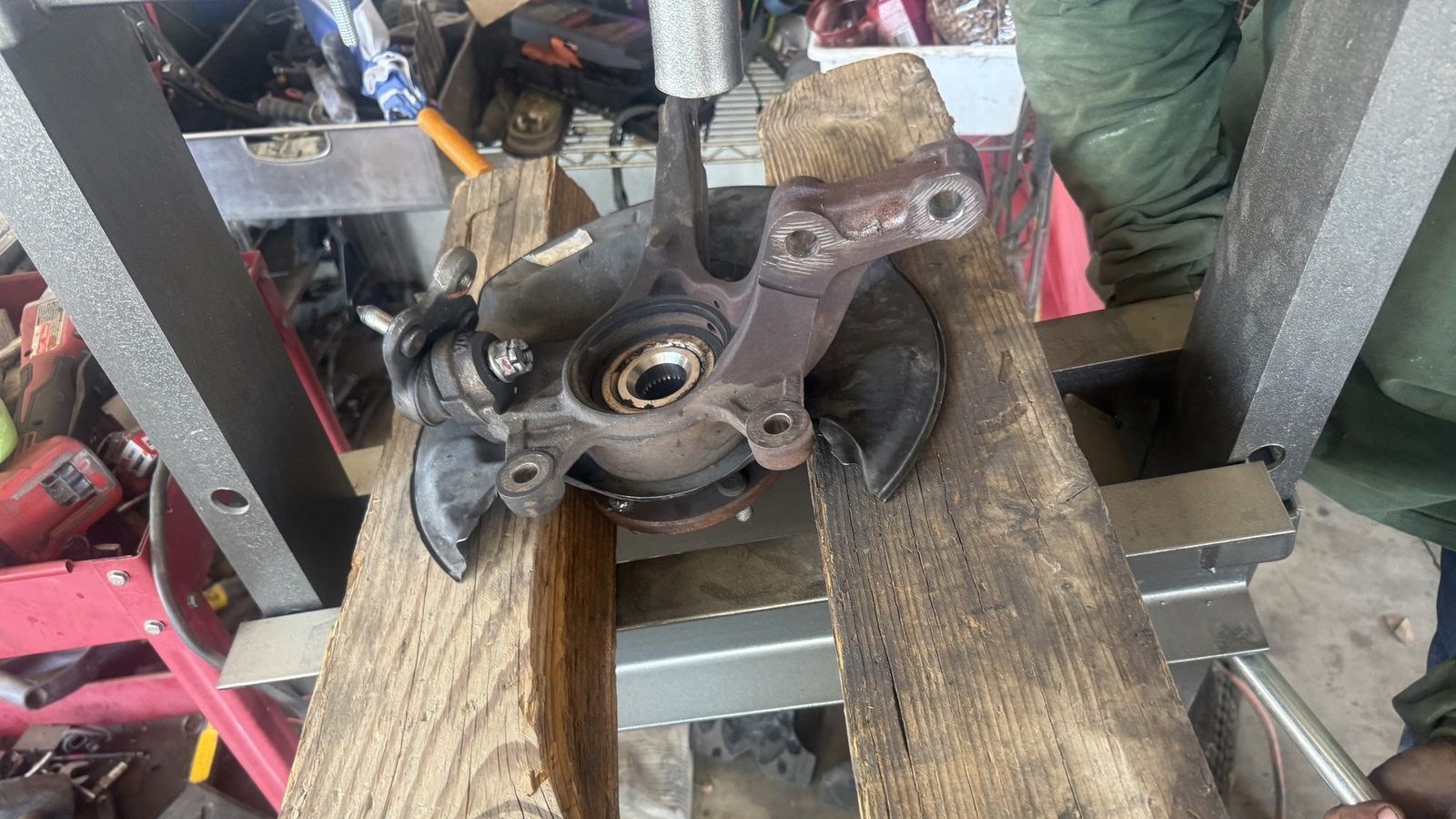
Charging issues are only part of what we handle. We also do full brake service, from pads and rotors to the kind of grinding or squealing that tells you something is overdue. Squealing usually means the pads are thin and the wear indicator is doing its job. Grinding means metal is touching metal, which can chew into the rotor and turn a simple pad job into a bigger repair. Suspension and steering work falls in here too, for cars that pull to one side, clunk over bumps, or feel loose in the wheel. These are wear-and-tear systems that get worse slowly, so catching a problem early on a worn bushing or tie rod usually means a simpler, cheaper fix than waiting until it fails completely.
Routine maintenance is still a big part of the job. Oil changes keep the engine lubricated and cooled from the inside, carrying away heat and metal particles that build up as the engine runs. Skipping them too long is one of the fastest ways to wear out an engine early, since old oil breaks down and stops protecting moving parts the way it should. We also handle heating and A/C problems, whether your system is blowing warm air in summer or cold air in winter. That usually comes down to low or leaking refrigerant, a failing compressor that can not pressurize the system, or a blend door that is stuck and mixing hot and cold air wrong. Each of those needs a different fix, so we check the system before assuming the obvious answer.
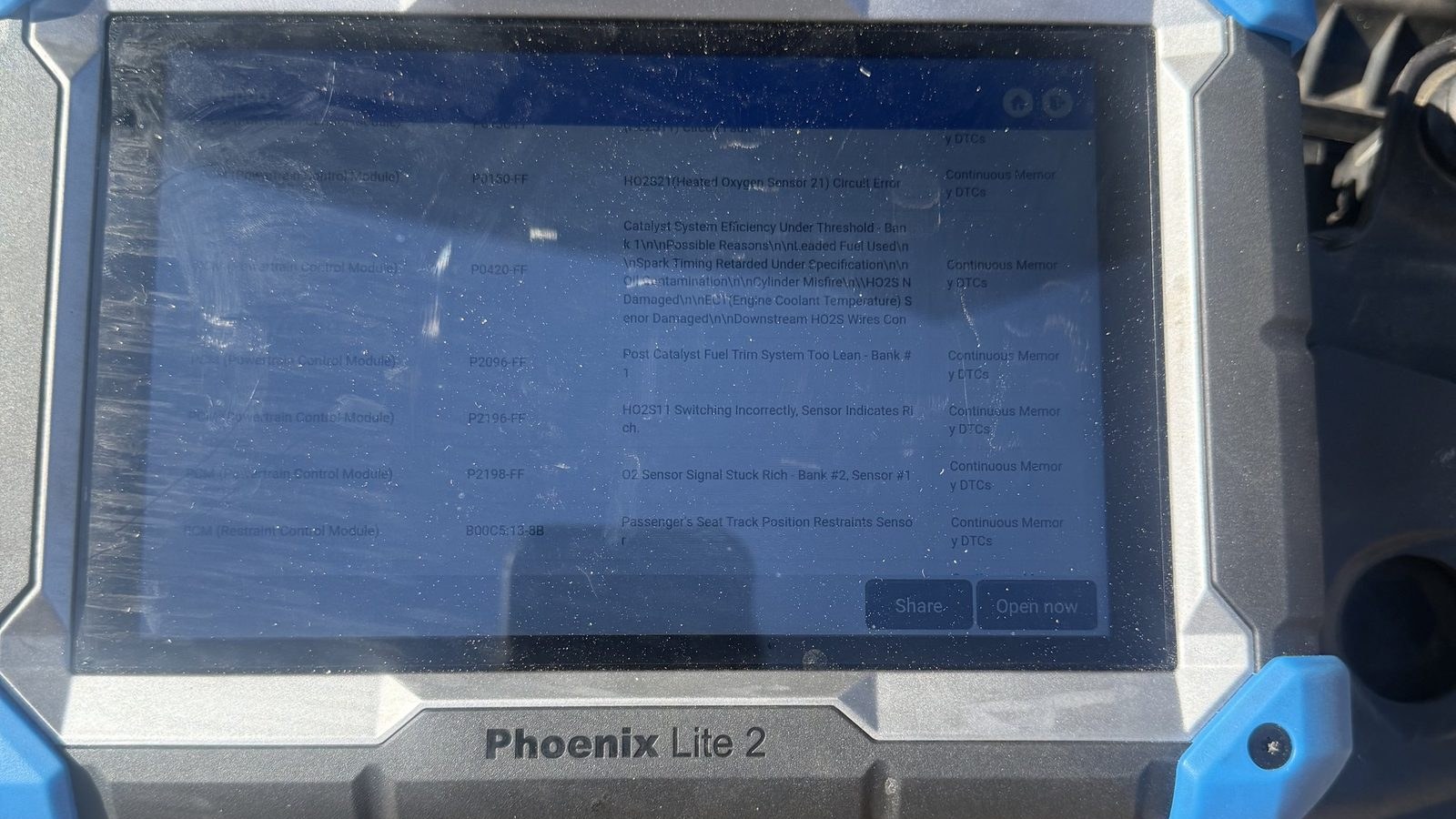
When the check engine light comes on, or the car just feels off, that is where engine diagnostics come in. We plug in and read the stored codes, then match that against what the car is actually doing, rough idle, hesitation, a misfire you can feel through the seat. Codes point us in a direction, but they do not always give the full answer on their own, since one code can have several different causes behind it. So we look at the real behavior of the car, listen to the engine, and sometimes run it under load before deciding what actually needs to be fixed. That extra step keeps us from throwing parts at a guess.
One thing that sets us apart for James Island drivers is that we are mobile. We come to the car instead of making you get the car to us. That might mean your driveway, a parking lot at work, or the shoulder of the road if that is where it stalled out. A dead alternator or a car that will not crank does not care about your schedule, and getting it towed somewhere just to have it looked at adds a step you do not need. Not having to arrange a tow before anyone even looks at the problem saves you time and hassle on what is already a bad day.
If something is wrong with your car, call us at 843-870-4835 and walk us through what you are seeing. Tell us about the noise, the warning light, or just the way the car has been behaving lately, slow to start, pulling to one side, blowing warm air, whatever it is. The more detail you can give, when it happens, how often, what it sounds or smells like, the faster we can narrow down what is going on before we even arrive. Let us know where the car is sitting right now, whether that is your house, your office, or the side of the road. From there we can figure out the right next step and get moving toward fixing it.
 Supercanic