
Oil does two jobs inside your engine. It lubricates moving parts so metal is not grinding on metal, and it carries away heat from places the cooling system cannot reach. Every time your engine runs through a heat cycle, that oil breaks down a little more. It picks up dirt, soot, and tiny metal particles that come from normal wear inside the engine. Once oil gets old and dirty, it loses its ability to coat parts the way it should. That means more friction, more heat, and faster wear on pistons, bearings, and everything else the oil touches. Dirty oil is one of the simplest things in the world to fix. It is also one of the easiest things to put off, which is exactly why it causes so many avoidable engine problems for drivers in Summerville and the surrounding towns.
Signs Your Oil Needs Changing
- Dashboard oil light or maintenance reminder is on
- Engine sounds louder or more ticky than usual
- Oil on the dipstick looks dark and gritty
- It has been a while since your last change and you cannot remember when
- Exhaust smells like burning oil
- Engine runs hotter than normal on your commute
Before we drain anything, we start with a check. We look at your oil level, then check its color and texture to see how far past its useful life it is. We also get underneath the car and look for leaks around the oil pan and the filter housing, since both are common spots for trouble to start. If a past oil change left the filter overtightened or the drain plug stripped, we will tell you before we touch anything. Catching that kind of thing up front matters. A stripped plug or a filter that will not budge are small issues on their own, but ignoring them can turn a routine stop into a bigger repair involving the oil pan itself. This early look is just as important as the oil change that follows it.
Once the check is done, the real work starts with draining the old oil completely from the pan. We let it fully empty rather than rushing it, since leftover old oil mixed with new oil cuts the benefit of the service in half. From there we install a new oil filter. Running fresh oil through an old, dirty filter defeats the purpose of the whole job, so this step is never skipped. We then add the correct amount and type of oil for your specific engine, since using the wrong weight or volume can cause its own problems down the road. Getting this part right depends on knowing your engine, not just topping off a tank.
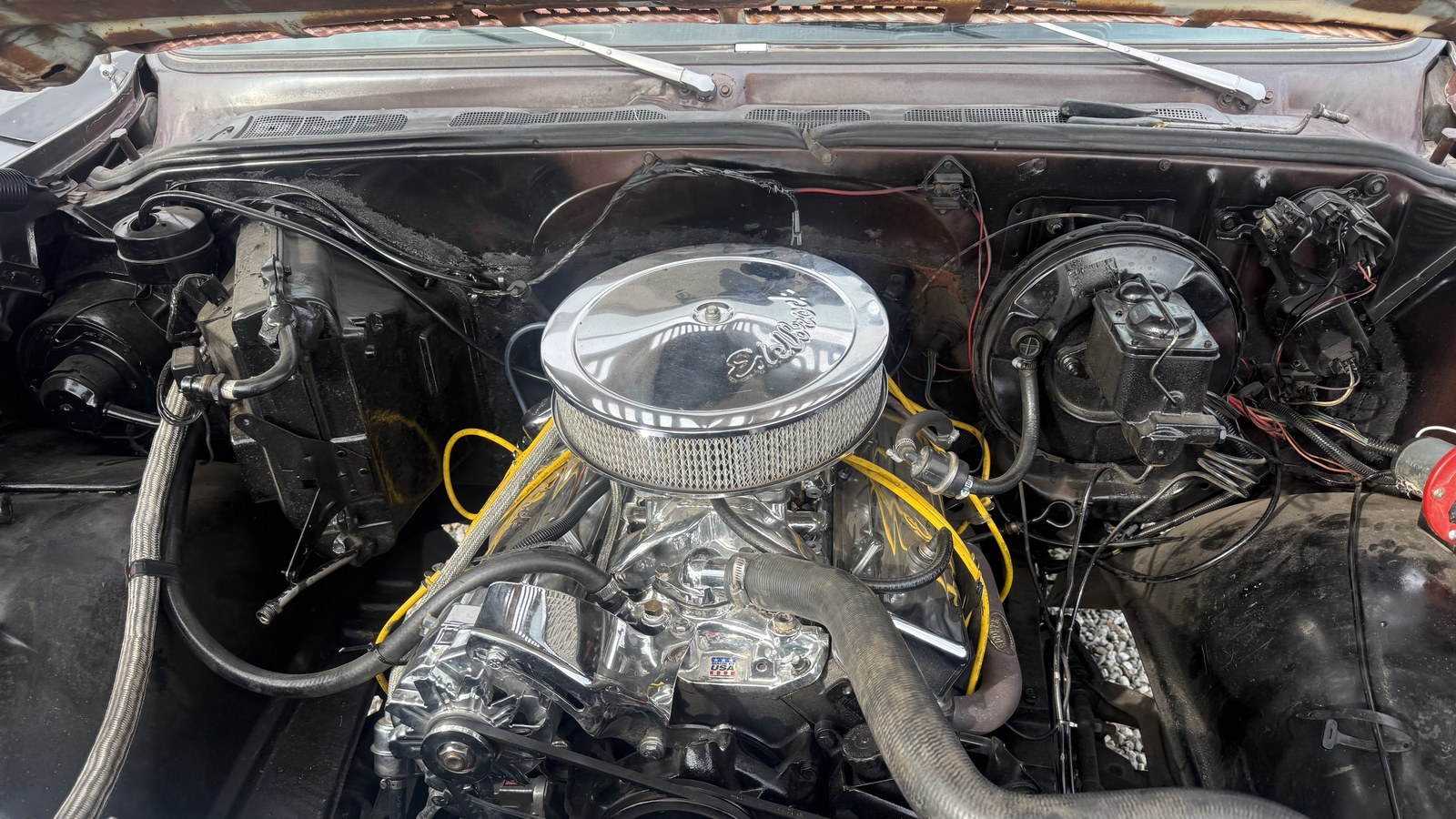
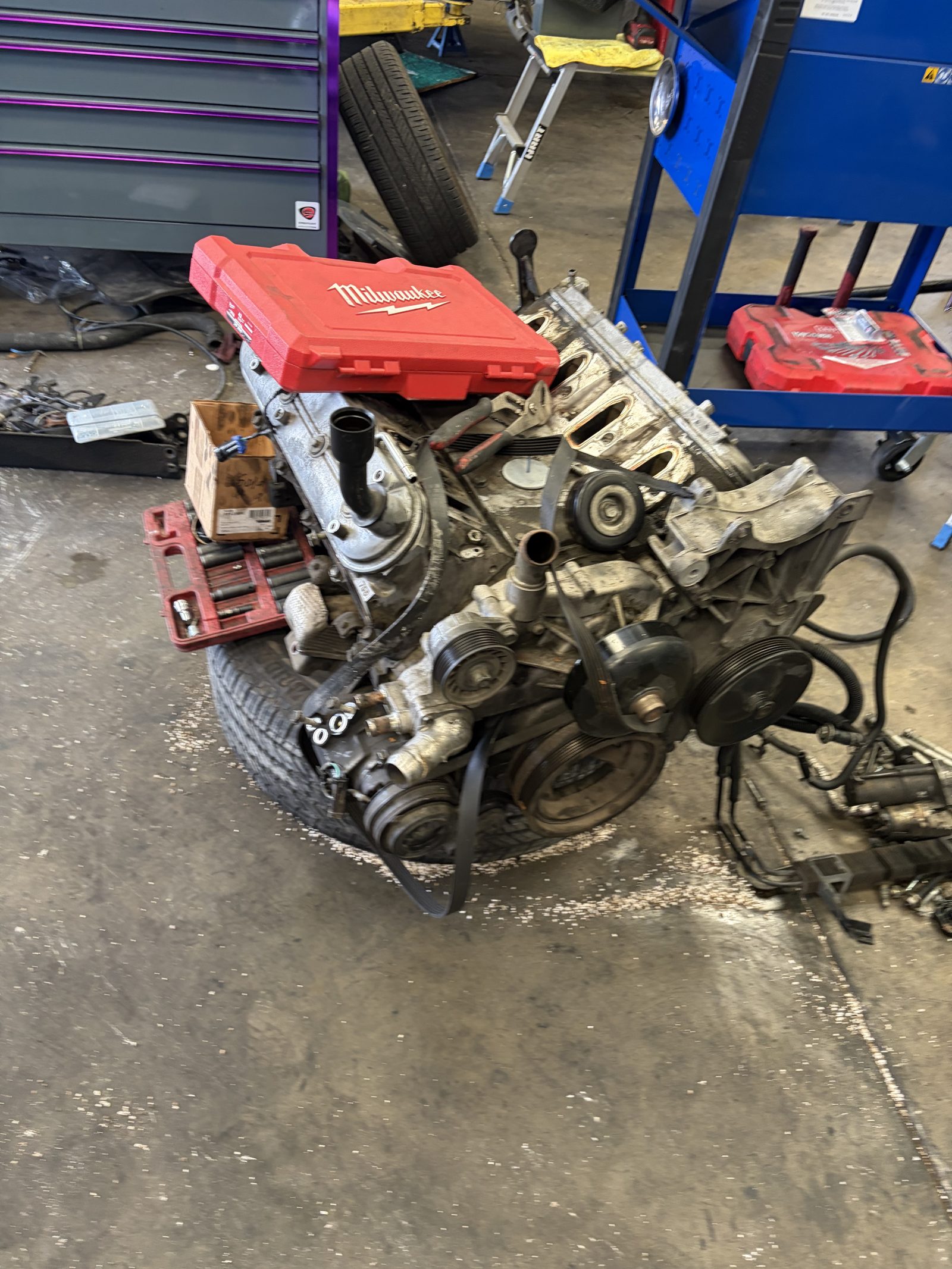
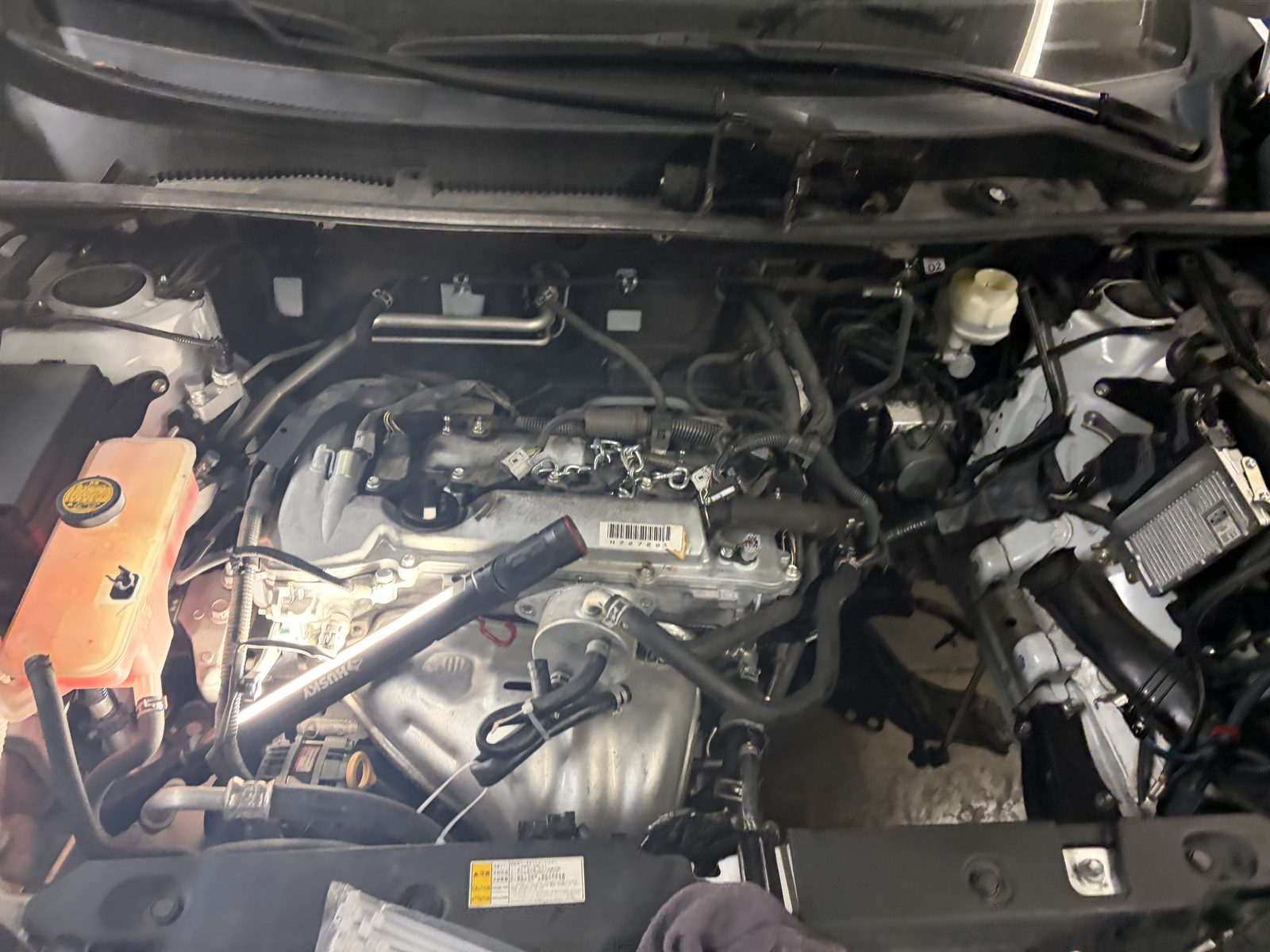
After the new oil goes in, we check the oil level again to make sure it matches what the engine needs, not too much and not too little. We also look underneath one more time for any drips around the pan or filter before we call the job finished. While we are already under the car, we take the chance to glance at other fluids and belts nearby. It does not cost extra time to look, and spotting a cracked belt or low coolant early can save you from a breakdown later. This final check is less about the oil itself and more about making sure nothing else was missed while we had easy access underneath.
A straightforward oil change is usually simple, routine work. What slows it down is almost always something left behind by a previous service. A stuck or stripped drain plug is one of the most common culprits, along with a filter that was torqued down too hard and will not turn loose by hand or normal tools. Sometimes we find a leak that needs more attention, which changes the plan for the day since it is a separate issue from the oil change itself. Certain engines also need a specific type of oil or a larger amount than average, which can add a step or two. None of this is a surprise to us, but we will always walk you through what we found and what it means before doing any extra work.
If your oil light is on right now, treat it seriously. That light means the engine either does not have enough oil pressure or the oil level is dangerously low, and neither one is something to drive on longer than you have to. Running an engine on very low or very old oil speeds up wear on bearings and other internal parts fast, sometimes permanently. If you can, check the dipstick before you drive anywhere else, just to get a sense of how bad things are. Short trips to get it looked at are one thing, but regular driving on a lit oil light is how small problems turn into engine replacements. It is worth taking seriously the first time the light comes on, not the third.
We work on vehicles from Summerville, Goose Creek, North Charleston, Hanahan, Lincolnville, Charleston, Mount Pleasant, and James Island, and oil changes are one of the most common reasons people reach out. It is easy to treat an oil change as a minor errand, but it is really basic engine maintenance that affects how long your car lasts. Skipping it or stretching it too long does not save money in the long run, it just moves the cost further down the road and usually makes it bigger. If your oil light is on, if it has been a while since your last change, or if you are just not sure what your engine needs, give us a call at 843-870-4835. We would rather answer a question now than see the bigger repair that comes from putting it off.
What to Tell Us When You Call
- Year, make, and model of your vehicle
- About how many miles since your last oil change
- Any dashboard lights you have noticed
- If you know the type of oil your engine takes

 Supercanic