
Mentioned in 2 Google reviews
The alternator is the part that keeps your battery charged and your electrical system running once the engine is on. It does this job with a spinning rotor, a drive belt, and a set of internal diodes that turn mechanical spin into usable electrical current. Over time the brushes wear down, the internal bearings start to whine, or the diodes fail and stop sending clean, steady power to the battery. Heat under the hood, vibration, and just plain years of driving around Summerville and Goose Creek all speed this wear along. Once the alternator starts to slip, you will notice the battery draining even on short trips to the store. Small electrical gremlins start showing up out of nowhere, dim headlights, a radio that cuts out, power windows that move slower than usual.
Signs You Need Alternator Repair
- Dashboard battery light comes on while driving
- Headlights look dim or flicker at idle
- Radio or dashboard lights pulse or go weak
- Car cranks slow or struggles to start
- Strange whining or grinding noise under the hood
- Windows or power accessories move slower than normal
A lot of drivers assume any electrical trouble means a dead alternator, but that is not always true. Before we replace anything, we test the charging system with a multimeter and a load tester to see real numbers instead of guessing. We check what the alternator puts out both at idle and under load, since a unit can look fine sitting still and still fail once the AC and headlights kick on. We also check the battery and the belt, because a weak battery or a loose, glazed belt can mimic an alternator problem almost exactly. This keeps us from swapping a part that was never the issue in the first place. If the alternator tests fine and the battery is the real culprit, we tell you that instead of selling you a part you do not need.
When the alternator really does need work, the job follows a set order. We start by removing the serpentine belt, then disconnect the wiring harness and the battery so there is no live current to deal with. From there we unbolt the alternator from its mounting brackets, which on some vehicles means moving other components like the air intake or a bracket out of the way first just to get a wrench in there. Once the old unit is out, we install the replacement, reconnect the wiring and battery, and put the belt back on with the correct tension. Too loose and it slips, too tight and it wears out the bearings early. We finish by starting the car and retesting the charging output to confirm it is putting out steady, correct power under load.
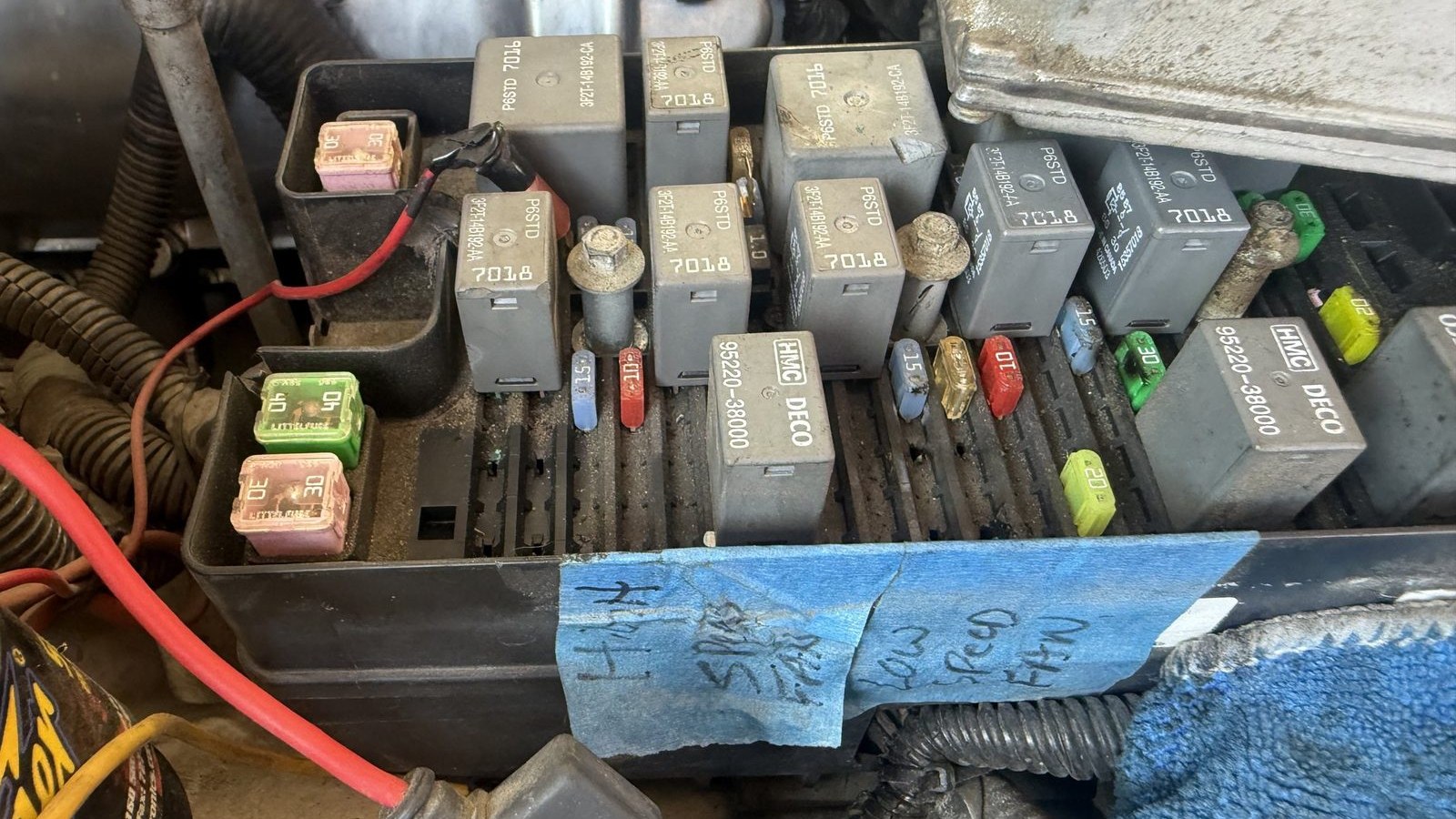

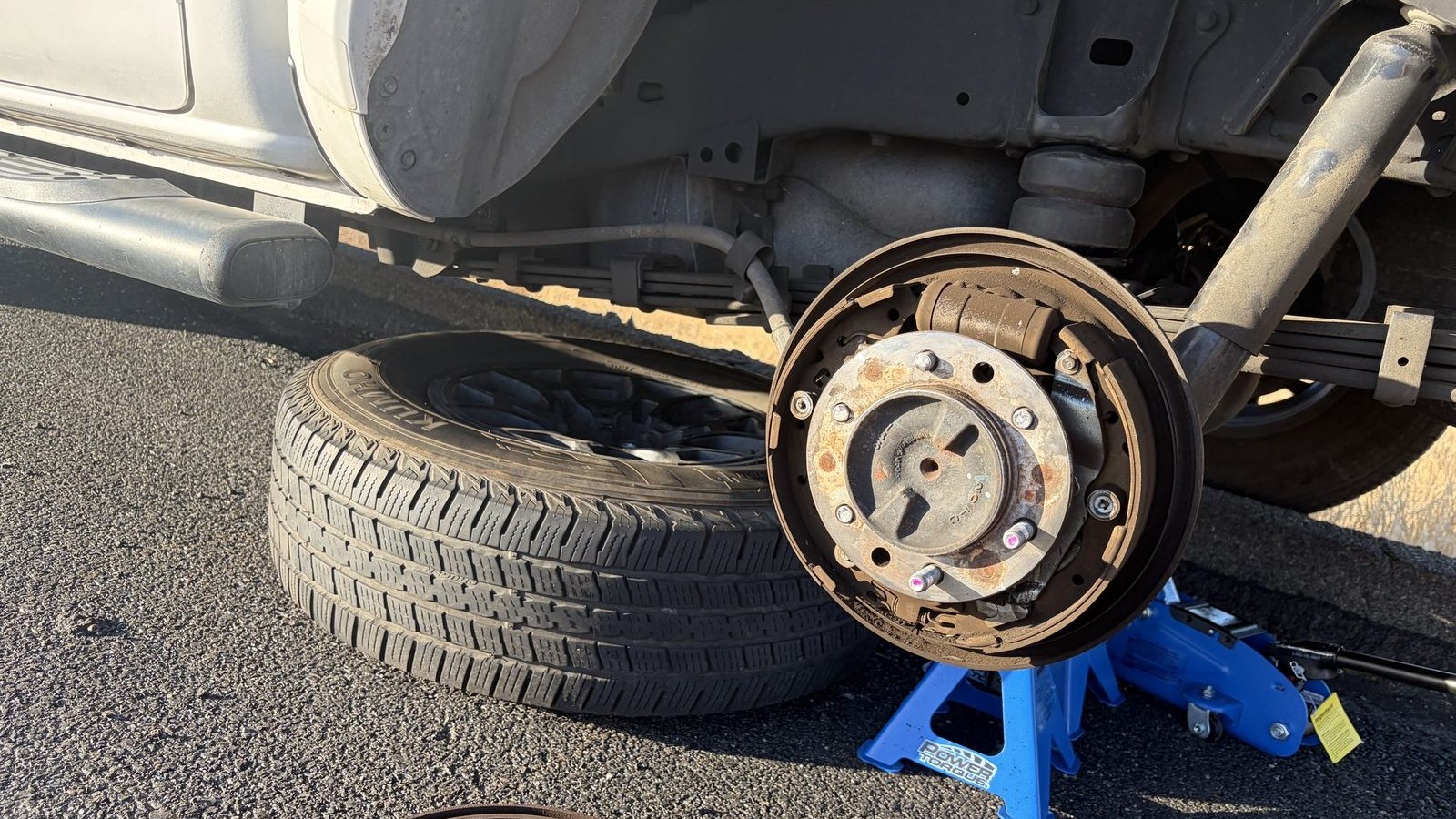
Not every alternator job takes the same amount of work. Some vehicles have the alternator sitting right up top, easy to reach with a few bolts holding it in place. Others bury it down low or behind the intake manifold, which means more disassembly, more labor, and more care taken to get everything back together correctly. The access on your specific make and model matters a lot here, and so does whatever else we find while we are in there. If the belt is cracked, the tensioner is weak, or the battery is already on its way out, those things affect how big the job turns out to be. We look at the whole charging system together rather than just the one part, since replacing an alternator next to a dying battery does not solve much.
A failing alternator rarely dies all at once. It usually fades, and the dash battery light is often the first real warning you get. If that light comes on, the smart move is to limit your driving to short, necessary trips until it gets looked at. Try not to run the AC, headlights, and radio all at the same time if you can help it, since every extra electrical draw pulls harder on a charging system that is already struggling to keep up. Dimming lights, slow power windows, or a radio that resets itself are all signs the battery is running on stored charge instead of a steady feed. None of these are things to ignore for long, since the window between warning signs and getting stranded can be short.
The tricky part about alternator failure is that it often looks like a dozen other problems before anyone pins it down. A clicking sound when you turn the key, slow cranking in the morning, or electronics acting glitchy at random can all point back to a weak charging system instead of a bad starter or a dying battery alone. That is part of why testing matters so much before any parts get swapped. We have worked on vehicles coming out of North Charleston and the surrounding area with exactly this kind of mixed symptom list, and the multimeter usually sorts out fairly quickly what is actually going on. Skipping that step and guessing tends to cost more in the long run, since a new battery will not fix a bad alternator and a new alternator will not fix a dead cell in the battery.
A dead alternator does not wait for a convenient moment. It tends to leave you stranded once the battery finally runs down from trying to cover for it, and that moment is rarely planned. Getting the charging system checked before that happens is a lot less stressful than dealing with a car that will not start in a parking lot somewhere. If your battery light is flickering, your lights seem dimmer than usual at night, or your car has needed a jump more than once recently, those are worth paying attention to now rather than later. We work on these systems regularly for drivers around Summerville, Goose Creek, and North Charleston, and catching a failing alternator early is almost always simpler than dealing with the aftermath of one that quit without warning.
What to Tell Us When You Call
- Year, make, and model of your vehicle
- Whether the battery light is on or flickering
- Any noise like whining or grinding under the hood
- How the car has been starting lately

 Supercanic