
Modern engines run on a network of sensors that tell the computer how much fuel to add, when to fire the spark plugs, and how the engine is performing overall. The computer, sometimes called the ECM or PCM, is constantly reading this information and adjusting on the fly so the engine runs smooth and clean. When one of these sensors drifts out of range or fails outright, the computer notices the data does not add up and stores a trouble code. Often this also turns on the check engine light on your dash. The tricky part for anyone trying to fix it themselves is that one single code can point to several possible causes. A code for a lean fuel mixture, for example, could mean a bad sensor, a vacuum leak, or a fuel delivery problem. That is why real diagnostics means more than just reading the code and guessing at parts.
Signs You Need Engine Diagnostics
- Check engine light is on or flashing
- Engine runs rough or idles unevenly
- Car hesitates or stumbles when you accelerate
- Noticeable drop in fuel mileage
- Strange smells like gas or burning oil
- Engine stalls or struggles to start
We connect a scan tool to pull the stored codes, then go further and look at live data from the engine while it actually runs. This gives us a real picture instead of just a code number. We watch things like fuel trims, which show whether the engine is running rich or lean, oxygen sensor readings, and misfire counts in real time as the car idles or runs under load. Numbers that look fine at idle sometimes fall apart once the engine is under stress, which tells us a lot about where to look next. We also do a visual inspection of hoses, wiring, and vacuum lines under the hood, since a cracked hose or a loose connector can cause the exact same symptoms as a failing sensor. This step is what keeps us from replacing parts that were never actually broken in the first place.
Once we know what is actually causing the issue, we explain it in plain terms before doing any repair, so you understand what is wrong and why we are recommending the fix. Sometimes the fix is simple, like swapping out a faulty sensor or cleaning a corroded connector that was sending bad signals to the computer. Other times the root cause is something bigger, like a failing ignition coil, a clogged or leaking fuel injector, or a vacuum leak that needs to be traced and sealed. We walk through what we found, what it means for how the car runs, and what the repair involves before moving forward. After the repair is done, we clear the stored codes and re-scan the car while it runs again. This confirms the problem is actually resolved and not just temporarily masked by clearing a light that will come right back.
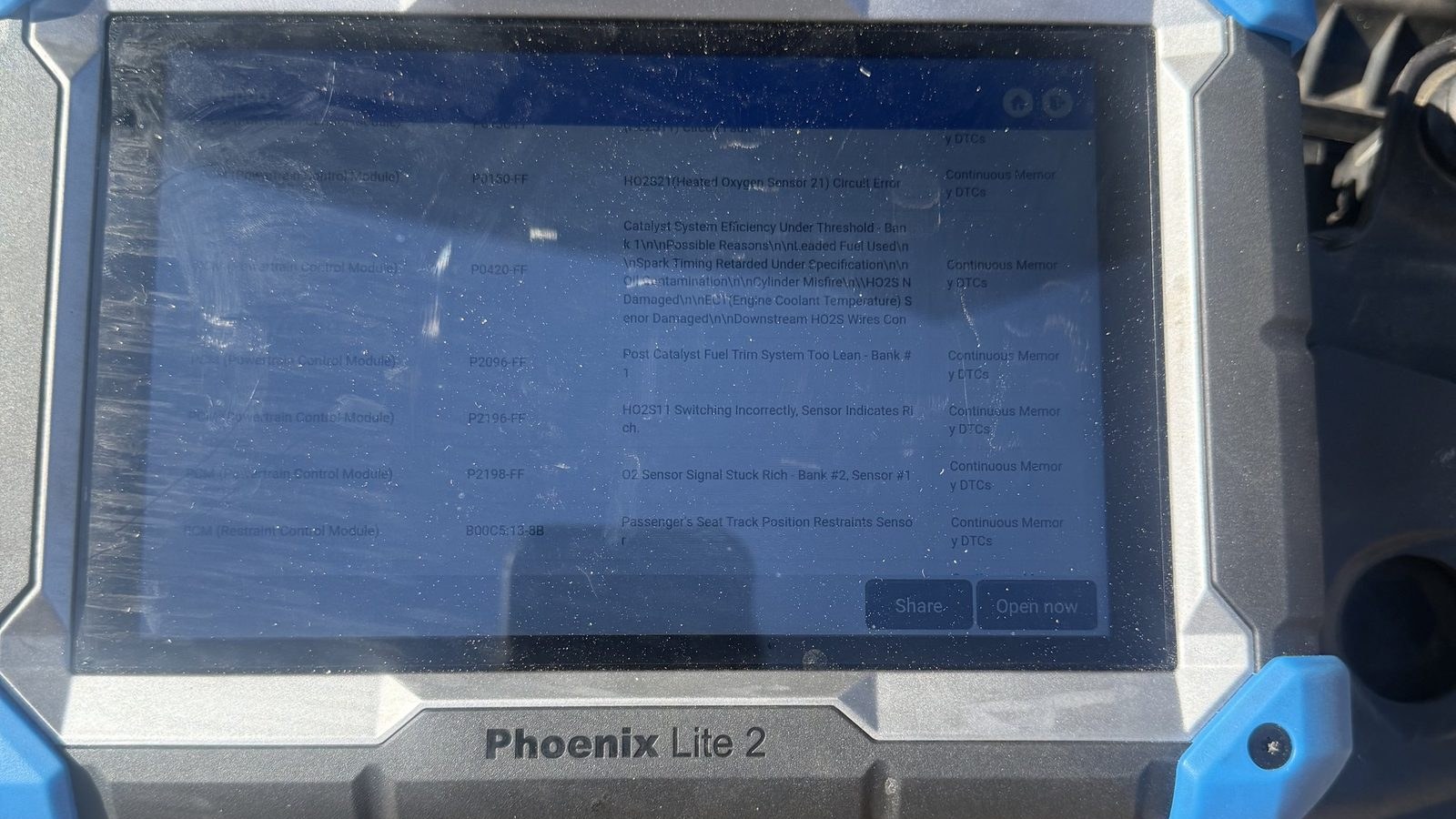

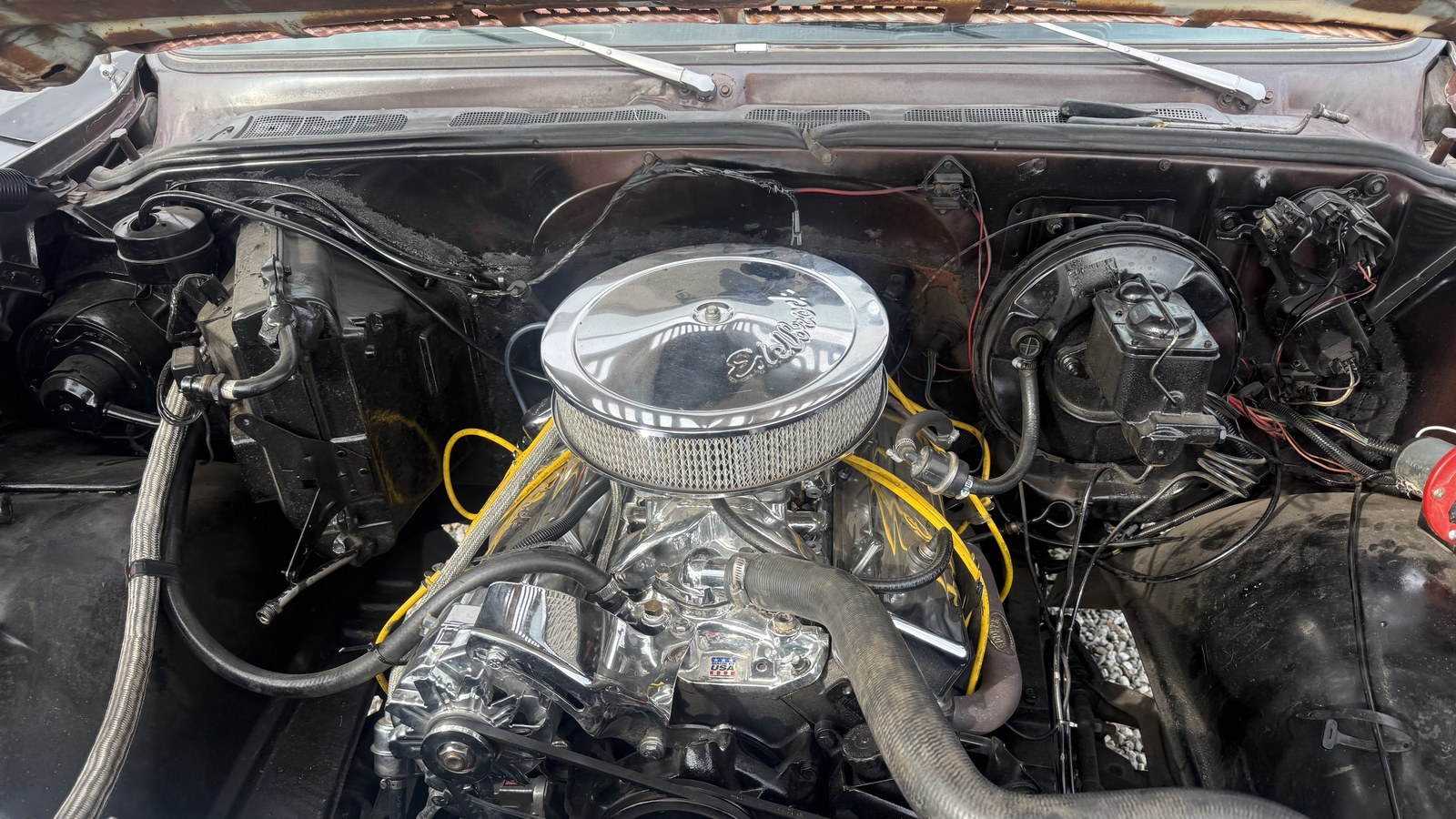
What changes the size of this job is how deep the problem actually goes once we start looking. A single sensor code with a clear, consistent cause is usually a fairly straightforward fix, especially if the live data lines up with what the code suggests. Multiple codes stored at once, intermittent issues that come and go, or problems that only show up under specific driving conditions like highway speed or cold starts take more time to track down properly. These cases often mean driving the car or recreating the condition to catch the fault actually happening. Older vehicles add another layer, since wiring and connectors degrade over years of heat, vibration, and moisture. A fifteen year old car with corroded grounds or brittle wiring insulation can take longer to diagnose accurately than a newer one with the same symptom.
If your check engine light is flashing instead of staying steady, that is a different situation and it usually means a misfire is happening right now. A flashing light means unburned fuel is passing into the exhaust system, and that can damage the catalytic converter if you keep driving on it. A steady light is less urgent in the moment but it is still worth getting checked soon, since it often points to something that will get worse or trigger more codes over time. Either way, try to avoid hard acceleration, heavy loads, or towing until the car has been looked at. Pay attention to how it idles, whether it hesitates, and any smells or sounds that seem new, since those details help narrow things down once we start the scan.
A check engine light is not the only sign something in the engine management system needs attention. Rough idling, hesitation when you press the gas, a noticeable drop in fuel economy, or the car stalling at stops can all point to the same kind of sensor or wiring issues we diagnose. Sometimes drivers notice these symptoms well before any light comes on, since the computer only stores a code once a reading falls far enough outside its expected range. Catching these early signs and having them looked at can keep a small issue, like one failing sensor, from turning into a bigger repair involving a part it was feeding bad information to, like a catalytic converter or an ignition component working overtime to compensate.
We handle engine diagnostics alongside the other work we do, including brake service, suspension and steering repairs, heating and A/C, general electrical work, and alternator repair, which comes up often since charging system problems can trigger their own set of dashboard warnings. We work on vehicles for drivers across Summerville, Goose Creek, and North Charleston, along with nearby towns including Hanahan, Lincolnville, Charleston, Mount Pleasant, and James Island. Whether the issue is a single code that popped up on a routine oil change visit or a harder to pin down problem that has been coming and going for weeks, the same approach applies. We pull the data, inspect the physical parts involved, and confirm the fix actually holds before calling the job done.
What to Tell Us When You Call
- Year, make, and model of your vehicle
- Whether the check engine light is steady or flashing
- Any symptoms like rough idle, stalling, or hesitation
- When you first noticed the problem

 Supercanic